
Pedal Assist Electric Bike Explained: Key Facts, Specs and Real-World Range
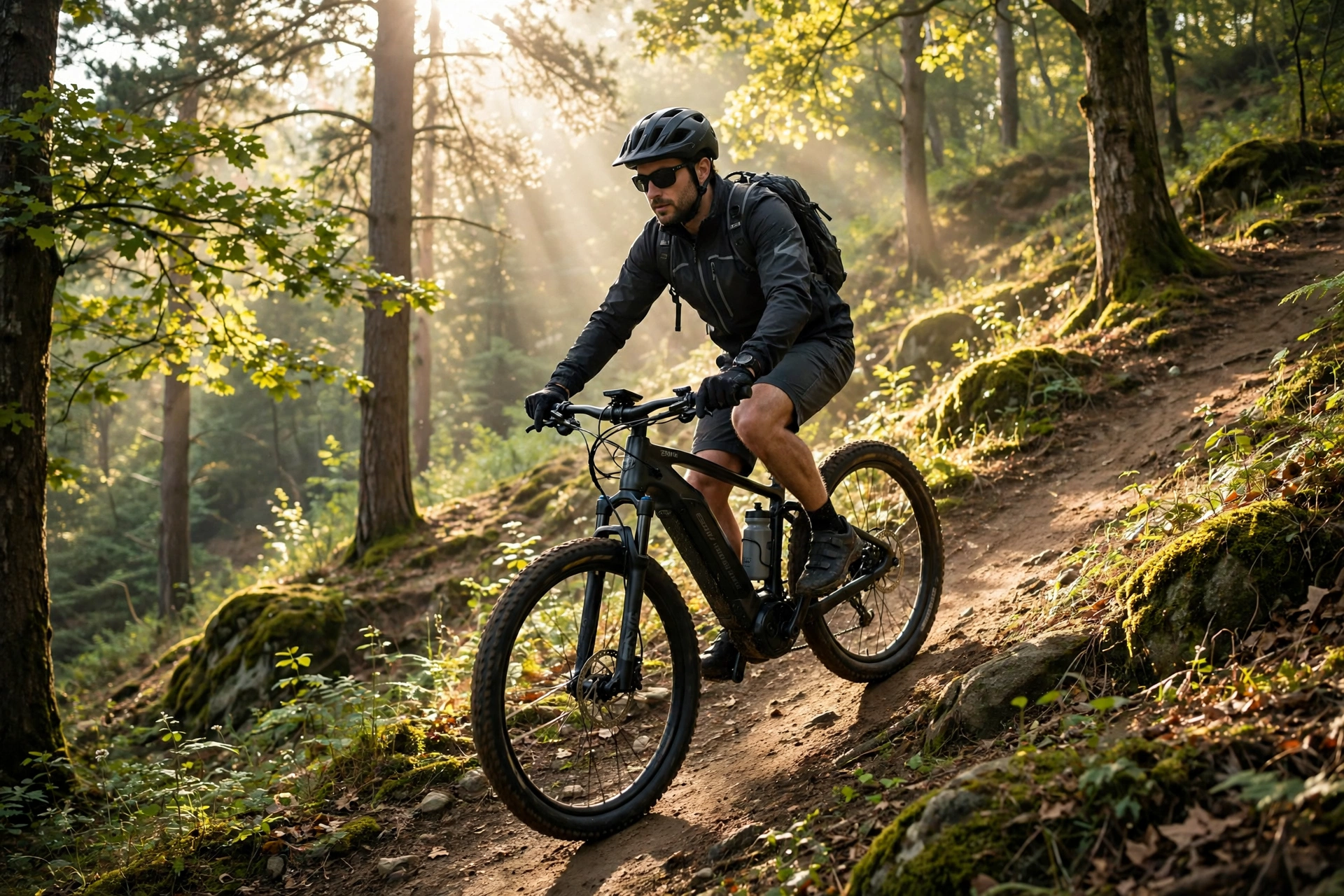
A pedal assist electric bike is the most natural-feeling machine in the electric world: you pedal, and the bike quietly multiplies your effort, flattening hills and shrinking distances while you still get the ride — and much of the exercise — of a normal bicycle. No throttle twisting, no motorcycle drama. But shoppers run into real questions fast. How does the pedal assist electric bike actually sense your pedaling? What is the difference between a cadence sensor and a torque sensor? How far does one really go? And which assist system suits your riding? This explainer answers all of it with real numbers, so you can buy the right bike the first time.
How Pedal Assist Works
Every pedal assist system has the same four parts: a sensor that watches you pedal, a controller that decides how much help to give, a motor that delivers it, and a battery that feeds the motor. The magic is in the sensing, and there are two philosophies.
Cadence sensors are the simple, affordable approach. A ring of magnets on the crank tells the controller that the pedals are turning; the motor then delivers a set amount of power for your chosen assist level, whether you are pushing hard or just spinning softly. The feel is on-or-off — a gentle surge as the motor wakes, steady help while you pedal, and a short overrun when you stop. Cadence systems dominate budget bikes, and plenty of riders are perfectly happy with them.
Torque sensors measure how hard you are pressing the pedals, many times per second, and scale the motor’s help to your effort. Push gently, get a little help; stand up and stomp, get a lot. The result feels like suddenly having stronger legs rather than being pushed, and it is the system fitted to most mid-drive bikes and anything calling itself premium. Torque sensing also stretches range, because the motor only works as hard as you do.
Either way, you choose the help level — usually labeled Eco, Tour, Sport, and Turbo, or numbered 1 through 5 — from a handlebar control. Higher assist means more speed and hill power, and noticeably less range. Riders coming from the throttle world often ask where pedal assist fits the law: it is the defining feature of Class 1 and Class 3 e-bikes, which our guide to the Class 1 e-bike rules explains in full.
Key Specs to Compare
| Spec | What you will see | What it means for you |
|---|---|---|
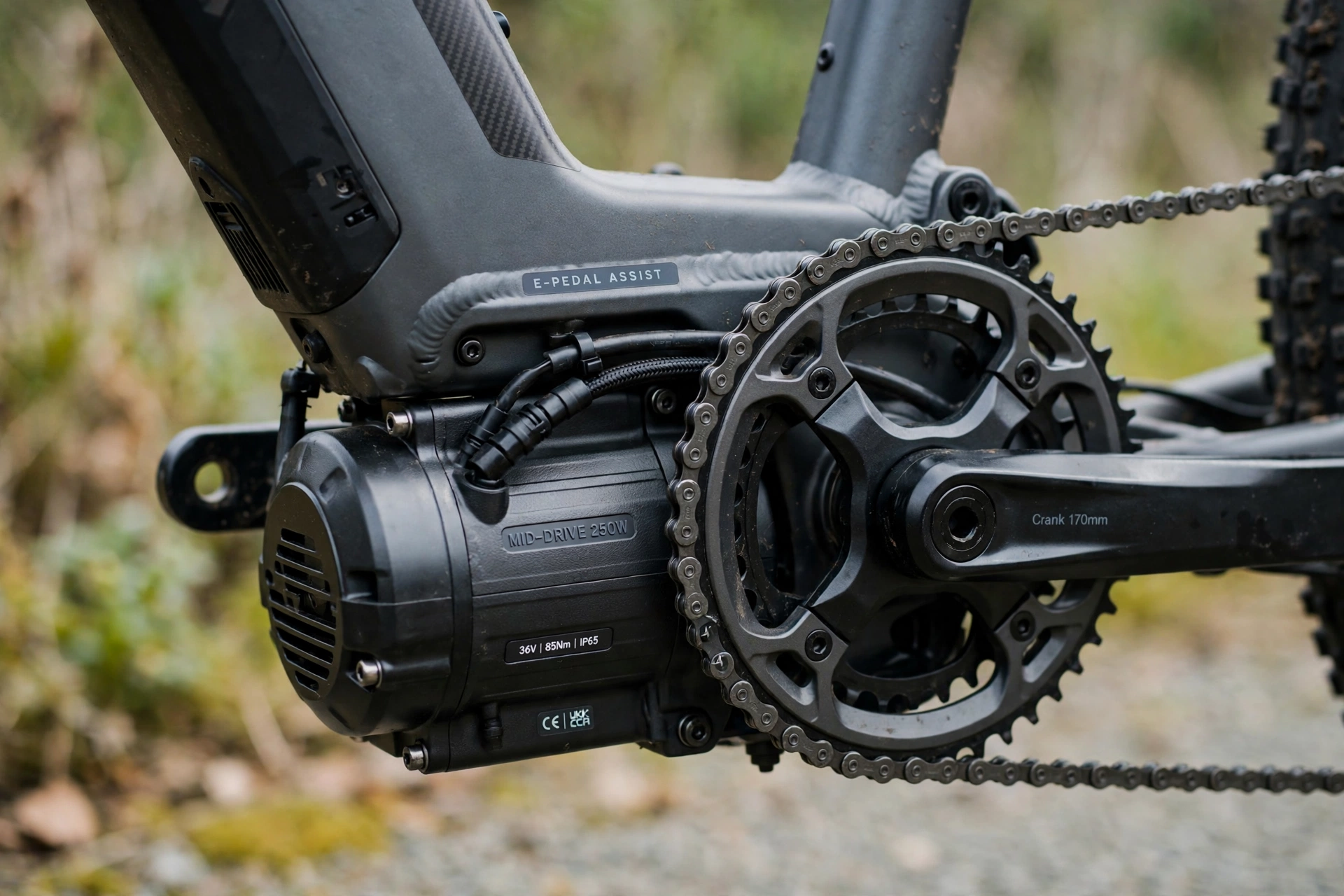
| Motor position | Hub motor (in the wheel) or mid-drive (at the pedals) | Mid-drives climb better and feel balanced; hub motors are simpler and cheaper |
| Motor power | 250–750 W nominal | 750 W is the U.S. legal ceiling for e-bikes; torque (Nm) matters more than watts for hills |
| Torque | 40–90 Nm | Under 50 Nm is flat-town duty; 65 Nm and up hauls riders and cargo up real hills |
| Battery | 400–900 Wh | The honest range predictor: more watt-hours, more miles |
| Assist levels | 3–5 levels plus walk assist | More levels means finer control over effort versus range |
| Sensor type | Cadence or torque | Torque feels natural and saves battery; cadence is cheaper and simpler |
Real-World Range: Honest Numbers
Manufacturers advertise range at the lowest assist level with a light rider on flat ground, which is why the box says 80 miles and your Saturday ride says 45. Realistic planning numbers for a pedal assist electric bike look like this: on Eco with genuine pedaling effort, expect about 15 to 20 watt-hours per mile from the battery — a 500 Wh pack delivers roughly 30 to 45 miles. On mid-level assist, budget 20 to 28 Wh per mile (18 to 30 miles from that pack). On Turbo, climbing, or with a heavy rider, consumption can hit 35 Wh per mile and the same battery is done in about 15 miles. Your own pedaling is the biggest variable in the whole system: a rider contributing real effort on a torque-sensor bike regularly beats the advertised range, while a ghost-pedaling cadence-sensor rider at full assist undershoots it. Terrain, wind, tire pressure, and temperature fill in the rest — winter range drops of 20 percent are normal, as our coverage of how cold weather cuts EV range explains for the whole electric family.
Pedal Assist vs. Throttle: Which Suits You?
A throttle bike moves without pedaling; a pedal assist bike only helps while you pedal. Pedal assist wins on range (the motor shares work with your legs), on exercise, on natural feel, and on access — Class 1 pedal-assist-only bikes are welcome on many trails and paths that ban throttle machines. Throttle wins on effortless starts, on riding with an injury or limited mobility, and on sheer convenience for short utility trips. Many bikes offer both, and there is no wrong answer — but if your goal is fitness, distance, and trail access, pedal assist is the system to prioritize, ideally with a torque sensor.
Who Should Buy a Pedal Assist Electric Bike?
Commuters who want to arrive fresh but not lazy. Returning cyclists whose knees or fitness are not what they were — assist lets you ride your old routes at your new capacity. Older riders, who consistently report that torque-sensing mid-drives feel like getting a decade back. And anyone replacing short car trips: a pedal assist bike charges for pennies, parks anywhere, and needs no license or registration in most states when it stays within the e-bike classes. Riders comparing specific models will find our hands-on coverage useful — the Jetson e-bike explainer shows how these specs play out on a real budget bike.
Frequently Asked Questions
Does a pedal assist electric bike move without pedaling?
No — that is the definition of the system. The motor only assists while you turn the pedals. Some pedal assist bikes add a throttle as well, but a pure pedal assist model stops helping the moment you stop pedaling (and legally must stop assisting at its class speed limit).
Which is better, a cadence or torque sensor?
Torque sensors feel more natural, respond instantly, and use less battery, because help matches your effort. Cadence sensors cost less and give strong help even when you pedal lightly, which some riders with limited strength prefer. Ride both if you can; the difference is obvious within a minute.
How far can a pedal assist e-bike go on one charge?
Realistically 25 to 60 miles for most riders on typical 500 to 750 Wh batteries, depending on assist level, terrain, and how much work you contribute. Eco-mode riders with torque sensors regularly exceed 60 miles.
Do you still get exercise on a pedal assist bike?
Yes. Studies of e-bike riders consistently show moderate exercise — riders pedal more often and go farther than on regular bikes, just with the peaks flattened. Turning the assist down raises the workout; the motor only ever adds to your effort, never replaces it, on a pedal-assist-only bike.
What motor size do I need for hills?
Look at torque, not just watts. For meaningful hills with an average rider, aim for at least 60 to 65 Nm, ideally from a mid-drive motor that can use the bike’s gears. Flat-town riders are well served by 40 to 50 Nm hub motors.
The Bottom Line
A pedal assist electric bike is the friendliest technology in electric transport: it keeps everything good about cycling and removes only the parts that kept you home — the headwind, the hill, the distance. Choose a torque sensor if your budget allows, buy battery watt-hours generously, and match the motor’s torque to your terrain. Do that, and the bike will quietly turn errands into rides and rides into the best part of your day. For the official classifications and safety guidance behind the e-bike classes, the U.S. Department of Energy’s Alternative Fuels Data Center is a solid neutral starting point.