
Electric Mini Bike Motorcycle — The Complete 2026 Guide
An electric mini bike motorcycle is the smallest, scrappiest corner of the EV world — part motorcycle, part e-bike, part backyard toy, and entirely addictive. These compact machines pack electric motors into frames you can lift into a truck bed, and in 2026 they range from $300 kids’ bikes to 70-mph mini motos that will embarrass full-size motorcycles off the line. The catch is that the category is a legal and practical maze: some models are street-legal e-bikes, some are campground toys, and some are unregistered motorcycles in the eyes of the law. This complete guide sorts out the types, the real specs, the prices, the rules, and how to pick the right electric mini bike motorcycle for what you actually want to do.
The Three Families of Electric Mini Bikes
1. Kids’ and youth mini bikes. Think Razor MX350 and MX650, and the Burromax TT series. Speeds run 14 to 25 mph, prices from about $300 to $900, and the mission is driveways, yards, and campsites. Sealed lead-acid batteries still appear at the bottom of this class; lithium models cost more and run far longer.
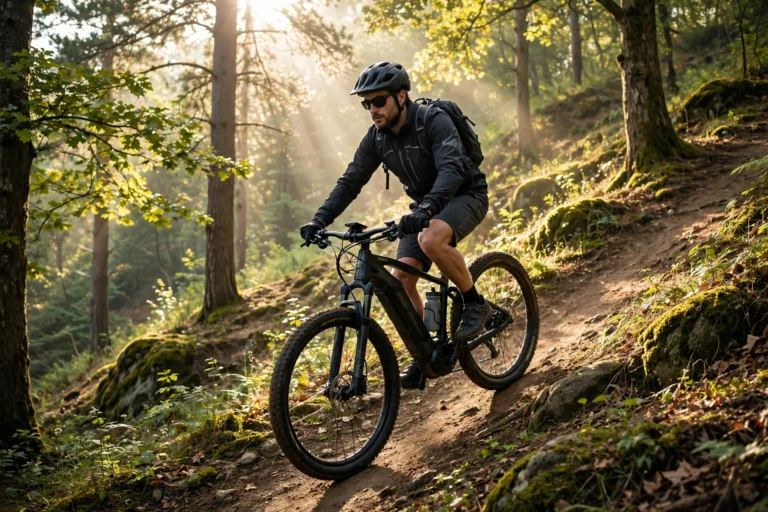
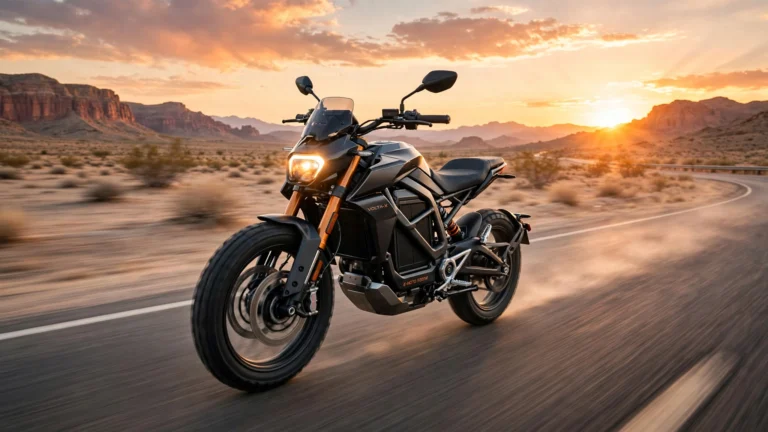
2. Motorcycle-styled e-bikes. The Super73 family is the famous example: mini-bike looks, pedals, and motors that keep them inside bicycle law in most states when ridden in their legal modes. Prices run roughly $1,500 to $4,500, speeds are e-bike speeds (20 to 28 mph in legal trim), and you can ride them on bike paths where full motorcycles are banned. Our explainer on how pedal assist works covers the sensor systems these bikes use.
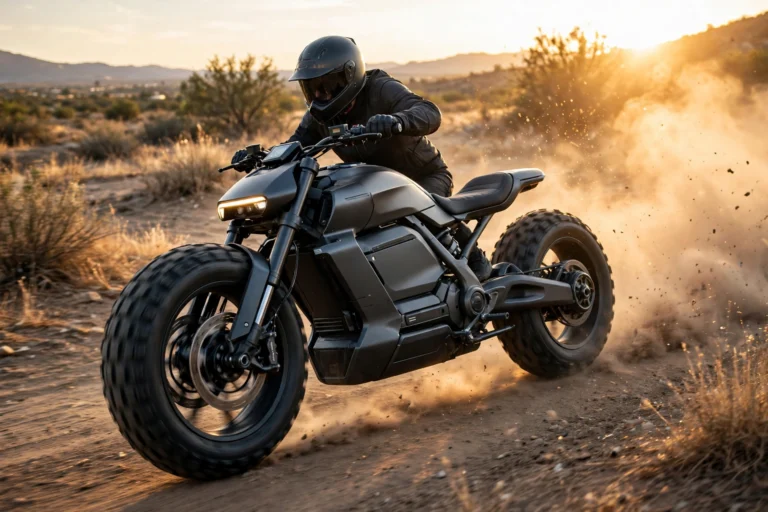
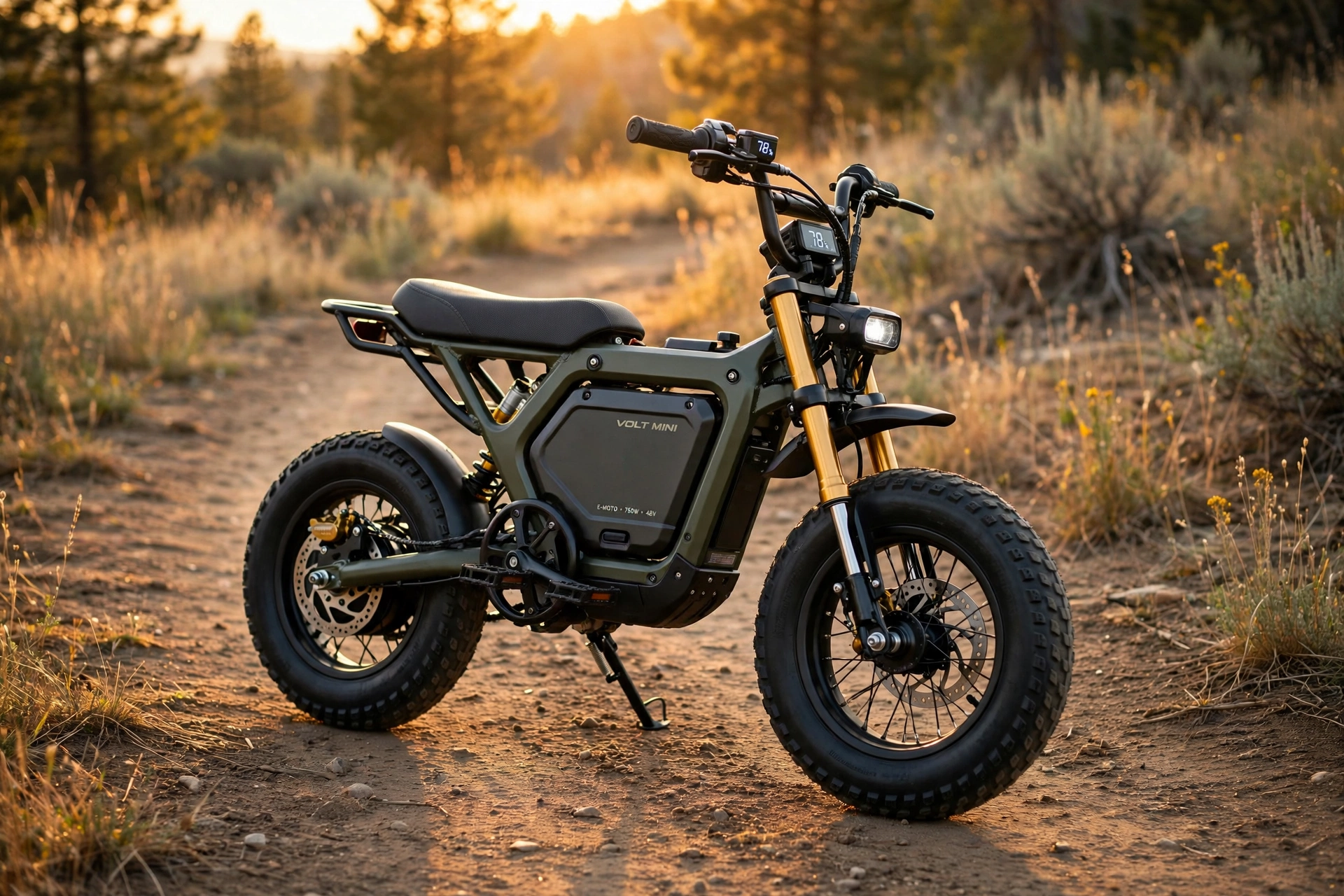
3. True electric mini motos. Machines like Electro and Company’s RTR lineup skip the pedals and the pretense: 5 kW to 18 kW motors, 45 to 70-plus mph top speeds, swappable lithium packs, and prices from about $2,200 to $4,300. These are off-road motorcycles in miniature — no license plate, no bike paths, no public roads. Our full review of the RTR electric bikes covers the specs and the honest verdict on living with one.
Specs That Actually Matter
| Spec | Kids’ bikes | Styled e-bikes | Mini motos |
|---|---|---|---|
| Motor power | 250–650 W | 750 W nominal (higher peaks) | 5,000–18,000 W |
| Top speed | 14–25 mph | 20–28 mph (legal modes) | 45–70+ mph |
| Typical range | 7–15 miles | 25–75 miles | 20–60 miles |
| Battery | Lead-acid or lithium | 0.6–1.2 kWh lithium | 2–3.7 kWh lithium, swappable |
| Price range | $300–$900 | $1,500–$4,500 | $2,200–$4,300 |
| Where you can ride | Private land, campgrounds | Bike paths and roads (e-bike rules) | Off-road and private land only |
Two numbers deserve skepticism everywhere in this category. Range claims assume a light rider on flat ground at modest speed; a heavy adult at full throttle can halve them. And “top speed” on styled e-bikes often refers to an unlocked off-road mode that is not legal on public paths — the legal mode is the one that counts where you will actually ride. Battery size in watt-hours is the most honest spec on any listing: divide it by about 25 Wh per mile for mini motos ridden hard, or 15 Wh per mile for gentle e-bike cruising, and you have a realistic range estimate.

The Legal Picture (Read This Before You Buy)
Legality is where electric mini bike motorcycle shoppers get burned, so here is the plain version. In most U.S. states, a vehicle with pedals, a motor of 750 watts or less, and a top assisted speed of 20 or 28 mph (depending on class) is legally a bicycle — no license, no registration, bike-path access. Our guide to the Class 1 e-bike rules explains the class system in full. The moment a machine has no pedals, exceeds those speeds, or runs a multi-kilowatt motor, the law generally treats it as an off-road vehicle or a motorcycle. Riding a mini moto on public streets without registration, lights, and a motorcycle license can mean tickets and an impounded bike. None of this makes mini motos a bad buy — it makes them a private-land and trail buy, and honest sellers say so up front.
Running Costs and Living With One
This is the joyful part. Charging a 1 kWh e-bike battery costs about 17 cents at average home electricity rates; even a big 3.7 kWh mini moto pack fills for roughly 65 cents. There is no oil, no carburetor to gum up over winter, no pull cord, and almost no noise — the reason campgrounds and neighborhoods tolerate these machines where a gas mini bike would draw complaints by noon. Maintenance is chains, brake pads, tires, and the occasional controller or throttle. The one real ownership cost to plan for is the battery: quality lithium packs last 500 to 1,000 charge cycles, and a swappable design means a worn pack is a purchase, not a funeral.
How to Choose: A 5-Point Shortlist
1. Decide the mission first. Yard toy for the kids, stylish commuter, or trail weapon? The three families barely overlap, and buying across them is how people end up disappointed.
2. Match the law to your riding spot. If your riding is public paths and streets, buy inside the e-bike classes. If it is your own land or off-road parks, the mini moto’s power is fair game.
3. Buy watt-hours, not promises. Compare battery capacity, then motor power, then everything else.
4. Check the brakes and frame, not the stickers. Hydraulic disc brakes and a welded steel or quality alloy frame matter more at 40 mph than any app feature.
5. Confirm parts support. Established brands stock controllers, throttles, and batteries years later. A no-name bargain with a dead proprietary pack is landfill with handlebars.
Frequently Asked Questions
Are electric mini bikes street legal?
Only the ones that qualify as e-bikes: pedals, 750 W or less, and class speed limits. Purpose-built mini motos without pedals are off-road vehicles in most states and cannot be ridden on public roads without registration and licensing that most models cannot obtain.
How fast does an electric mini bike motorcycle go?
Kids’ models run 14 to 25 mph. Legal e-bike-styled models assist to 20 or 28 mph. True mini motos reach 45 to 70-plus mph depending on the trim.
How much does a good one cost?
About $300 to $900 for kids’ bikes, $1,500 to $4,500 for motorcycle-styled e-bikes like Super73, and $2,200 to $4,300 for serious mini motos like the RTR line.
Do I need a license?
Not for a legal-class e-bike in most states, and not for off-road riding on private land. Riding anything beyond e-bike limits on public roads requires a motorcycle license and registration.
How long do the batteries last?
Expect 500 to 1,000 full charge cycles from a quality lithium pack — typically three to six years of regular riding — with gradual capacity loss rather than sudden death.
The Bottom Line
The electric mini bike motorcycle is the most fun per dollar in the entire EV world, provided you buy the right family for your land, your laws, and your rider. Kids get quiet, safe starters; commuters get motorcycle style with bicycle privileges; trail riders get silent, instant-torque mini motos that cost pennies to run. Decide the mission, respect the legal line, buy battery capacity and brakes over stickers — and the little machine will earn its garage space every single weekend. For a wider look at how these fit the electric landscape, the U.S. Department of Energy’s Alternative Fuels Data Center tracks the broader EV market they belong to.