
E-bike Dirt: Everything You Need to Know
E-bike dirt machines — electric dirt bikes, from pocket-size mini motos to full-size 80-horsepower weapons — are the fastest-growing corner of off-road riding, and for good reason: they deliver a dirt bike’s thrill with no gas, no oil, no hot exhaust, and a fraction of the noise. But e-bike dirt is also a category full of confusion, because the machines range from $1,000 pit bikes to $13,000 race bikes and the law treats them very differently from ordinary e-bikes. This guide explains every class of e-bike dirt machine, the specs that matter, what they cost, and how to choose the right one.
E-Bike Dirt Categories: Four Classes of Machine
| Category | Examples | Power / speed | Price range |
|---|---|---|---|
| Mini motos | Heybike Villain, Electro & Co Rizzler, RTR Lite | 2,000–8,000 W; 30–60 mph | $1,000–$3,000 |
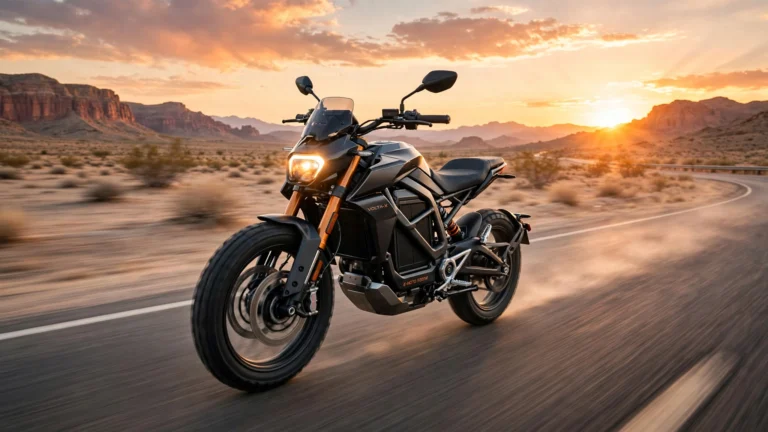
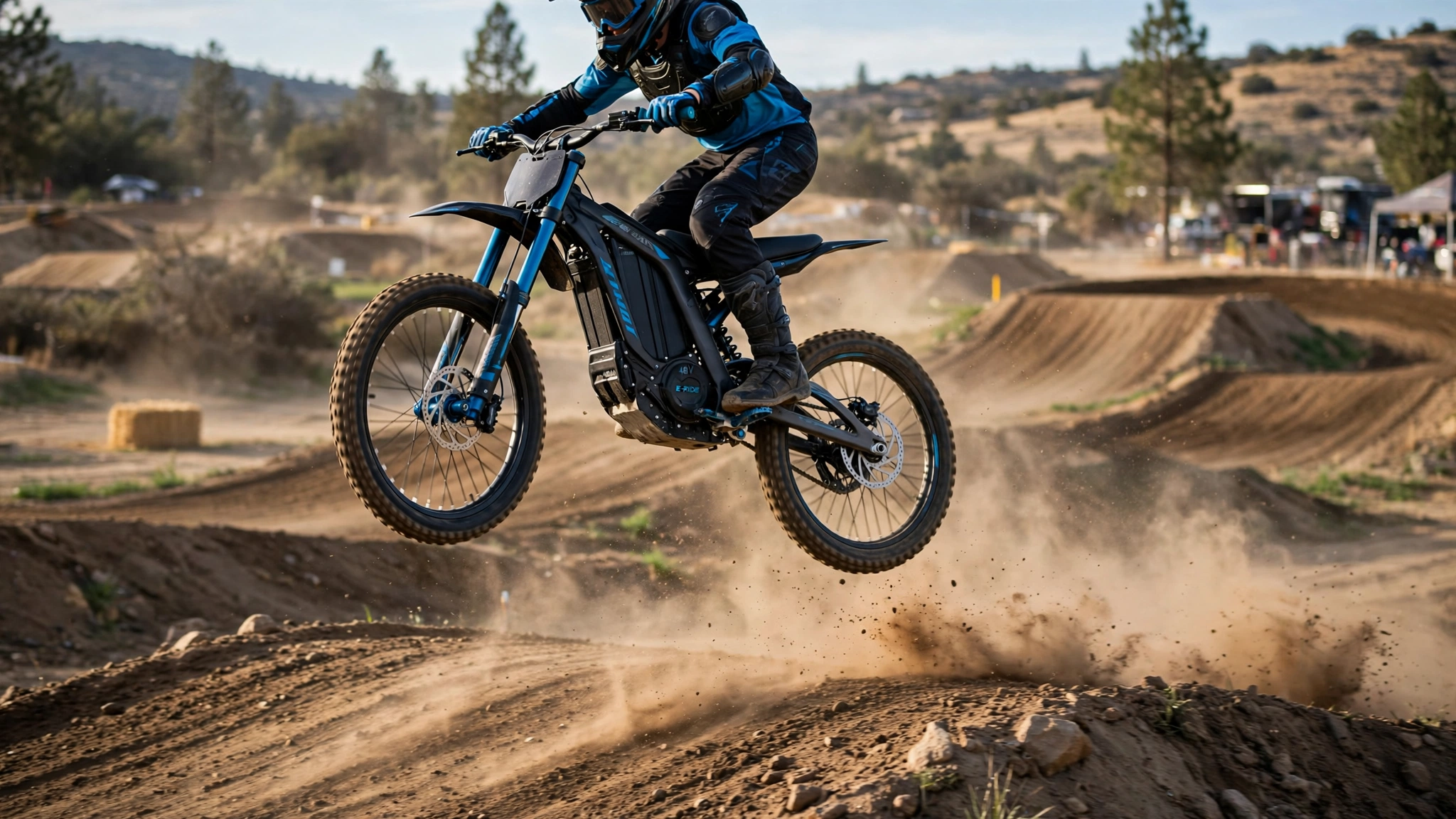
| Lightweight e-motos | Sur-Ron Light Bee X, Talaria Sting R, Segway X260 | 5,000–8,000 W peak; 45–55 mph | $3,000–$5,000 |
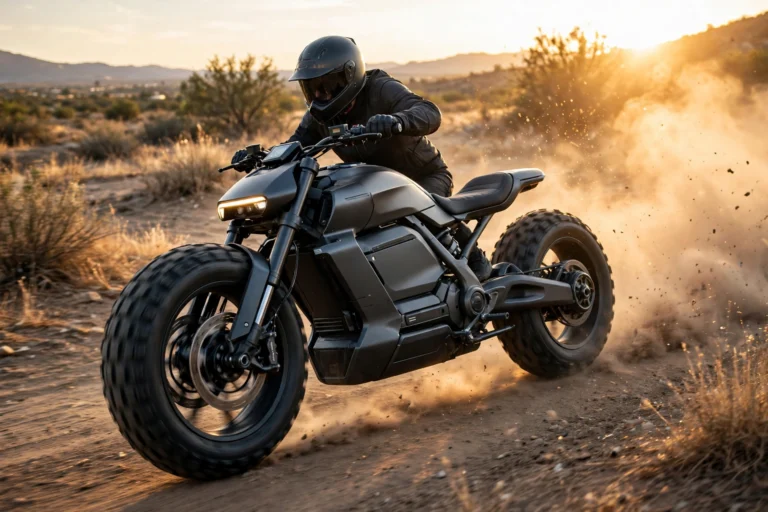
| Full-size dirt bikes | Stark Varg, KTM Freeride E-XC | Up to 80 hp; 60+ mph | $8,000–$14,000 |
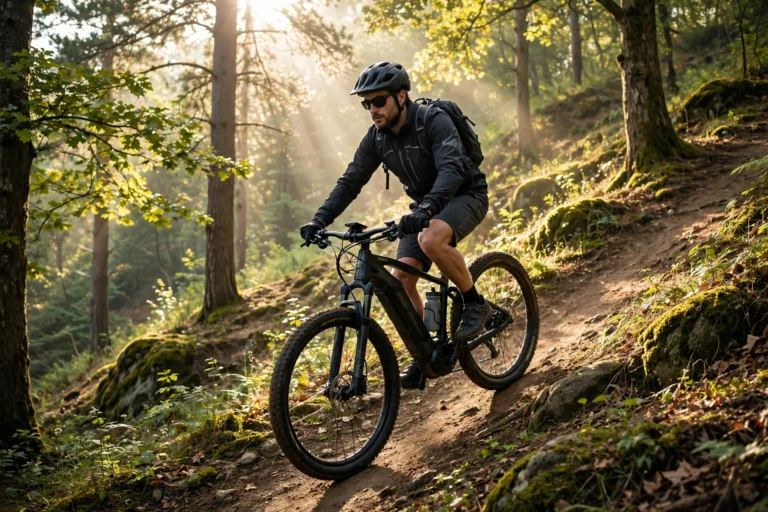
| Electric mountain bikes (e-MTB) | Specialized Turbo Levo, Trek Rail | 250 W nominal pedal assist; 20 mph assist limit | $3,000–$12,000 |
The first three categories are throttle machines built for dirt, and they are not bicycles in the legal sense. The fourth — the e-MTB — is a pedal-assist bicycle that happens to love dirt, and it plays by entirely different rules. Knowing which side of that line your riding sits on is the single most important decision in e-bike dirt, because it decides where you may legally ride.
E-Bike Dirt Specs That Actually Matter
Forget the headline wattage; three specs decide how an e-bike dirt machine rides. Torque — measured in Nm — is the climbing and launching force: 100 Nm and above feels strong on hills, and the best mid-drives make 190 Nm. Battery capacity in watt-hours is your fuel tank: mini motos carry 1,000–1,400 Wh, lightweight e-motos 1,900–2,600 Wh, and full-size bikes 3,000 Wh and up. Motor layout matters more than people expect: mid-drive motors run through the chain and gears, multiplying torque on climbs and keeping weight centered, while hub motors are simpler but feel sluggish on steep, slow terrain. Suspension travel (150 mm is a healthy minimum for real trails), hydraulic brakes, and tire size complete the picture. Our model reviews apply exactly this checklist — see the Heybike Villain breakdown for a worked example at the budget end.

E-Bike Dirt Range: The Honest Numbers
Manufacturers quote e-bike dirt range the way they quote everything: at gentle pace, on flat ground, with a light rider. Real trail riding — climbs, wheelspin, stop-start technical sections — consumes 40 to 70 watt-hours per mile, two to three times the burn rate of road riding. Applied honestly, a 1,352 Wh mini moto delivers 20 to 30 trail miles, a 2,000 Wh Sur-Ron-class machine 30 to 45, and a 3,100 Wh full-size bike 35 to 50 hard miles or considerably more at trail-touring pace. Ride style matters as much as hardware: smooth throttle work and lower modes routinely add 30 percent. If your loops are longer than your battery, the trailhead math in our pedal assist explainer — watt-hours per mile, planned reserves — transfers directly.
E-Bike Dirt vs. Gas Dirt Bikes
The comparison every rider asks about. Electric wins on noise (ride near homes without complaints), instant torque, near-zero routine maintenance (no oil, filters, clutch, or top-end rebuilds), and running costs of pennies per ride. Gas wins on range, five-minute refuels, lower purchase price at equivalent capability, and a century of dealer networks. Weight now favors electric at the lightweight end — a Sur-Ron Light Bee is about 110 pounds against 230-plus for a comparable gas trail bike — while full-size electrics match gas weights. For most recreational riders on private land or OHV trails, the electric advantages dominate; for all-day backcountry range, gas still holds the crown.
E-Bike Dirt Legality: Where You Can Ride
Throttle e-bike dirt machines are off-road vehicles under U.S. law, not bicycles. The e-bike class system that governs pedal-assist bikes (covered in our Class 1 e-bike guide) does not include them, whatever the seller’s listing implies. Legal riding places: private land with permission, designated OHV areas and motorized trails, motocross tracks that accept electrics (a growing list), and closed courses. Some states offer OHV registration that opens public-land trail systems; a few lightweight models can be made road-legal as mopeds or motorcycles with lights, mirrors, and registration, but that is a paperwork project, not a purchase feature. E-MTBs sit on the bicycle side: Class 1 pedal-assist is welcome on many — not all — mountain bike trails, and land-manager rules vary by park, so check the trailhead board.
What E-Bike Dirt Costs to Own
Purchase prices span $1,000 to $14,000, but ownership is where electric shines. Charging a 2 kWh battery costs about 30 cents at home rates. Wear items are chains, sprockets, brake pads, and tires — budget $150 to $400 a season for an active rider — and there is no engine to rebuild. Battery replacement, years out, is the one big-ticket item: roughly $500 to $900 for mini-moto packs and $1,500 to $2,500 for full-size ones at today’s prices. Insurance is optional on private land in most states (and cheap where offered), and OHV registration where required typically runs under $50 a year. Compare the whole picture with the bicycle side in our electric mini bike motorcycle guide if your budget is still deciding its category.
Choosing Your First E-Bike Dirt Machine: A 5-Step Check
If this is your first step into e-bike dirt, work through five questions in order. First, where will you ride — private land, OHV trails, or a track? The answer fixes your legal category before any product does. Second, who is riding? Adjustable speed modes make one bike serve a learner and an expert; fixed full-power machines do not. Third, how far is your loop? Match the battery to your longest realistic ride at 50 watt-hours per mile, not the brochure figure. Fourth, can you maintain it? Chain drives and cable brakes forgive beginners; high-voltage electronics do not. Fifth, what is the total budget — bike, helmet, boots, gloves, and the inevitable spare battery or charger? Riders who answer all five honestly almost never regret the purchase; riders who buy on a top-speed headline alone often do.
Frequently Asked Questions About E-Bike Dirt Machines
Is an e-bike dirt machine the same as an e-bike?
No. Throttle-driven dirt machines are off-road motorcycles in the eyes of the law. E-bikes are pedal-assist (or low-speed throttle) bicycles capped at 20–28 mph. The distinction decides where you can ride.
What is the best e-bike dirt machine for beginners?
A mini moto with adjustable speed modes — the Heybike Villain or Rizzler class — lets new riders start at 20 mph and unlock speed as skills grow. Full-size 80 hp machines are expert territory, full stop.
How fast do e-bike dirt machines go?
Mini motos reach 30 to 60 mph depending on trim, lightweight e-motos 45 to 55 mph, and full-size electric dirt bikes exceed 60 mph. Speed is rarely the limit on trails; torque and control matter more.
Can I ride an electric dirt bike on bike trails?
Generally no for throttle machines — motorized vehicles are excluded from non-motorized trails. Class 1 pedal-assist e-MTBs are the exception where land managers allow them.
How long do e-bike dirt batteries last?
Expect 500 to 1,000 full charge cycles before noticeable capacity loss — typically 4 to 8 years of recreational use. Heat and storing at 100 percent charge are the two habits that shorten pack life most.
The Bottom Line on E-Bike Dirt
E-bike dirt riding delivers more fun per dollar and per decibel than almost anything in motorsport right now. Pick your category honestly — mini moto for the backyard and pit lane, lightweight e-moto for trails, full-size for serious riding, e-MTB where bicycle rules apply — then judge candidates on torque, watt-hours, and suspension rather than headline watts. Ride only where your machine is legal, gear up properly, and the electric dirt world will treat you well. For the official classifications behind these rules, the U.S. Department of Energy’s Alternative Fuels Data Center is a sound neutral reference.