
Type “lithium mining” into a search engine and you’ll get two extremes: glossy photos of white salt flats that look almost peaceful, or disaster footage that makes an EV battery sound like an environmental crime. The truth about the lithium mining process sits in the middle, and it’s worth understanding — because the metal inside your car’s battery had a long journey before it ever met a gigafactory.
Table of Contents
Method one: brine — pumping ancient water into the desert sun
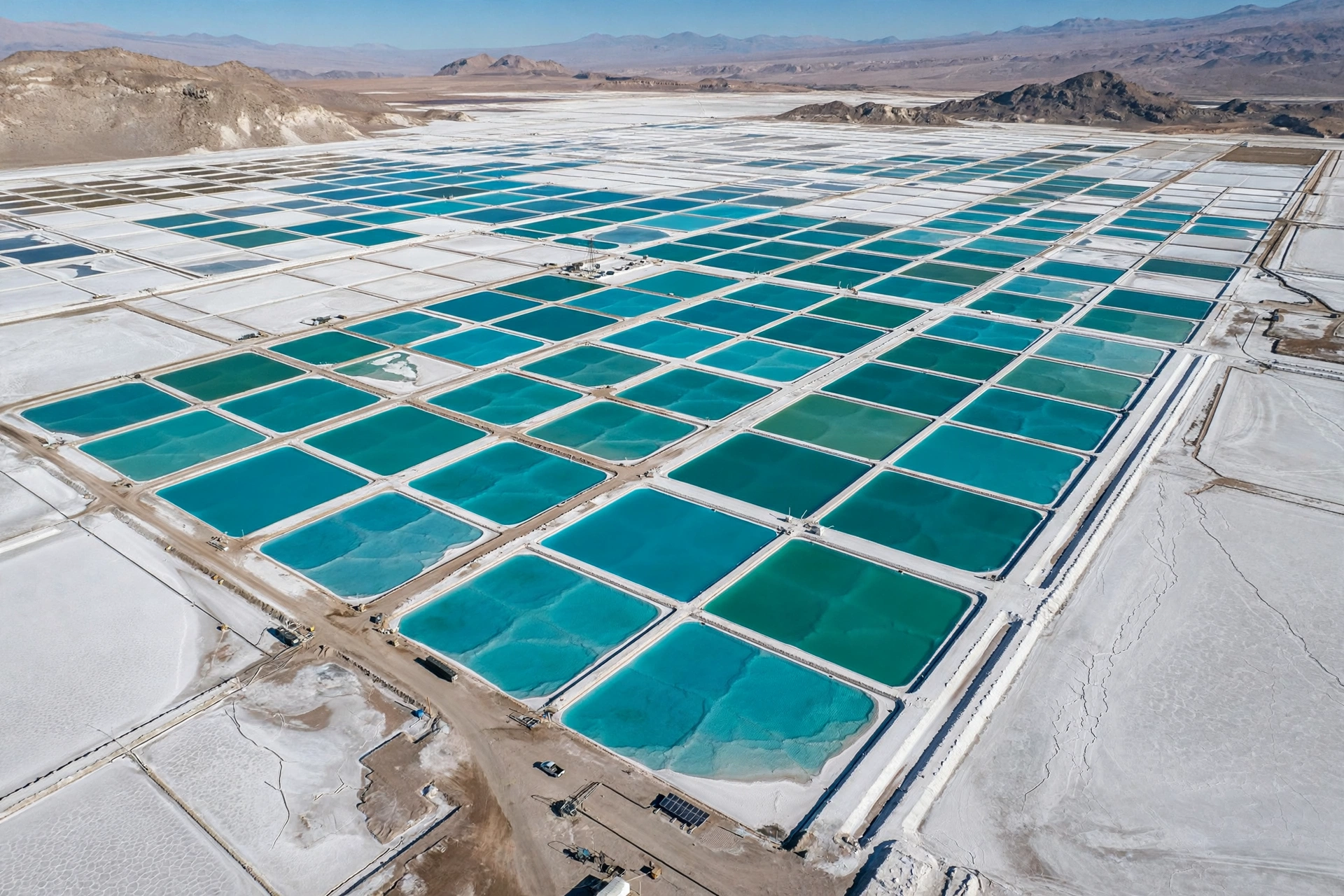
Most of the world’s lithium comes from the “Lithium Triangle” — the salt flats of Chile, Argentina, and Bolivia. The process sounds gentle. Workers drill into the salt crust and pump lithium-rich brine from underground reservoirs into vast shallow ponds. Then the desert does the work: sun and wind evaporate the water over 12 to 24 months, concentrating the lithium until it can be trucked away for processing.
No explosions, no open pits. But look at what gets consumed: water — staggering amounts of it, in some of the driest places on Earth. The brine itself isn’t drinking water, yet pumping it can draw down the freshwater systems around the flats that farmers and flamingo colonies depend on. In Chile’s Salar de Atacama, mining operations have become the centre of a long, unresolved argument about wells running dry. This is the cost that never appears on the battery’s spec sheet.
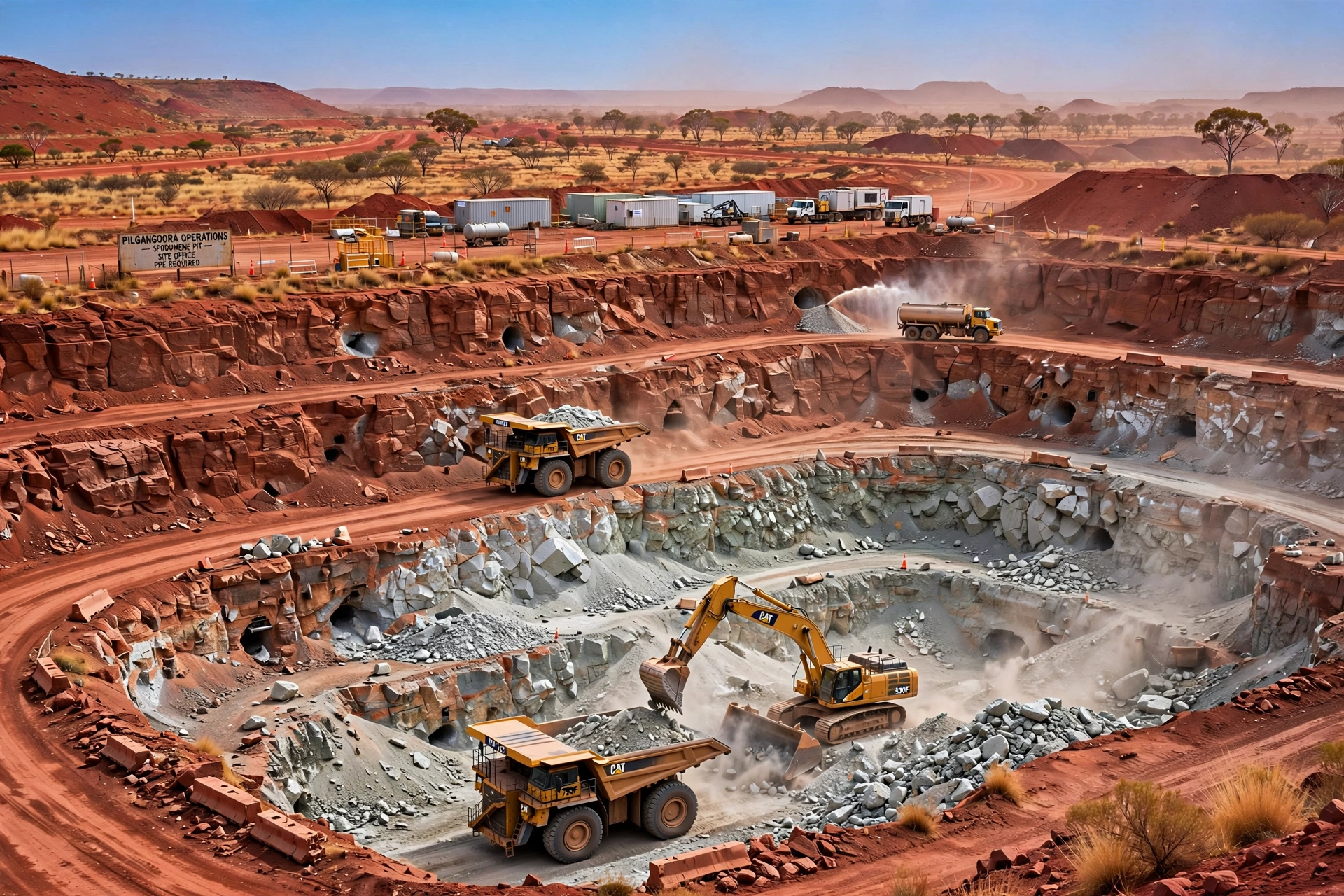
Method two: hard rock — the Australian way
The other main route is old-fashioned mining. In Western Australia, home to the giant Greenbushes mine, crews blast and dig spodumene ore from open pits, crush it, and ship the concentrate overseas — mostly to China — for refining into battery-grade lithium.
Hard rock mining uses less local water than brine, but burns far more energy: diesel fleets, crushing plants, then a carbon-heavy shipping and refining chain. Per tonne of lithium, spodumene generally carries a bigger carbon footprint than brine — while brine carries the bigger water footprint. Pick your poison, literally.
The refining bottleneck nobody talks about
Here’s a detail that reframes the whole debate. Mining the lithium is only half the story. Whether it comes from a Chilean pond or an Australian pit, most of it travels to China to be refined — roughly two-thirds of global lithium processing capacity sits there. So the environmental ledger of your battery includes coal-powered refining and a long sea voyage, whichever mine it came from.
That’s changing, slowly. Refineries are being built in the US, Europe, and Australia precisely because governments finally noticed this dependency. The US Geological Survey’s lithium data tracks just how concentrated production still is.
How much lithium are we actually talking about?
Less than the scary headlines imply. A typical EV pack — say the one in a Tesla Model 3 — contains roughly 8 to 10 kilograms of lithium itself (the often-quoted bigger numbers include the full carbonate compound). That’s about what you’d carry in a small bag of sugar, multiplied by a few. Multiply it by tens of millions of cars a year, though, and you get the real challenge: not the amount per car, but the speed at which mining has to grow.
Context helps. The world digs up billions of tonnes of coal annually, much of it burned once and gone forever. Lithium, by contrast, isn’t consumed — it sits in the pack for 10 to 15 years and can then be recovered, as we explain in our guide to what happens to expired EV batteries. One is a flow you burn. The other is a stock you can recycle. That difference matters.
The fixes already in motion
- Direct lithium extraction (DLE): new plants pump brine up, strip the lithium out with filters or resins, and reinject the water — cutting evaporation ponds and most of the water loss. Still young, but scaling fast in Argentina and the US.
- Chemistry changes: LFP batteries, used in standard-range Tesla and BYD models, skip cobalt and nickel entirely. They still need lithium, but they dodge two of the nastiest supply chains.
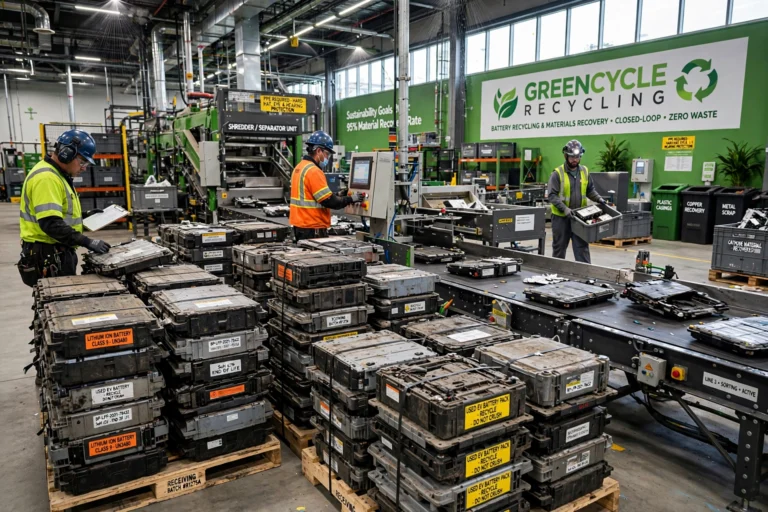
- Recycling: every tonne recovered is a tonne that never gets mined. Still small today, growing as the first big wave of EVs ages.
- Sodium-ion batteries: no lithium at all. Early packs are arriving in small city cars in China — worth watching.
So is lithium mining a reason to skip the EV?
It’s a reason to buy thoughtfully, not a reason to walk away. Lithium extraction has genuine costs — water stress in salt flats, energy-hungry hard rock mining, a refining chain that’s too concentrated. Those belong in any honest list of the cons of electric cars for the environment.
But stack it against the alternative honestly. An oil well doesn’t get recycled. A tank of petrol burns once and becomes CO2 forever. And when we ran the full lifecycle comparison in Electric Cars Are Really Better for the Environment, the mining footprint — real as it is — came out as a small slice of the total.
The lithium mining process isn’t clean. Nothing that digs the planet up ever is. The fair question is whether it’s cleaner than the system it replaces — and on that question, the answer keeps getting clearer.