
Ask most EV fans about the downsides of electric cars and you’ll hear the usual list: range, charging time, price. But there is a quieter list that rarely gets mentioned at dinner parties — the environmental trade-offs. EV supporters (and I count myself as one) tend to skip these. So let’s talk about the actual cons of electric cars for the environment, because pretending they don’t exist doesn’t make the technology better. It just makes the conversation dumber.
None of this means you should rush out and buy a diesel. Over a full lifetime, study after study still shows an EV producing far less CO2 than a comparable petrol car. But “less bad” is not the same as “harmless,” and the gaps matter — especially if you’re buying partly to feel good about your footprint.
Table of Contents
1. The battery is born dirty
A petrol car rolls off the line with most of its lifetime emissions still ahead of it. An EV is the opposite. A large share of its total footprint is created before it ever turns a wheel, and most of that comes from the battery pack.
Building a 75 kWh pack like the one in a Tesla Model 3 Long Range takes a lot of digging, refining, and energy-hungry factory work. Depending on where the cells are made and how clean the local grid is, producing that pack can release several tonnes of CO2 — roughly what a small petrol car emits in a year or two of driving. The EV eventually pays that debt back as it drives on electricity, but the debt is real, and bigger batteries mean bigger debts. A Hummer EV with its enormous pack starts life with a manufacturing footprint that would make a Prius blush.
2. Mining leaves scars that don’t show up in the brochure
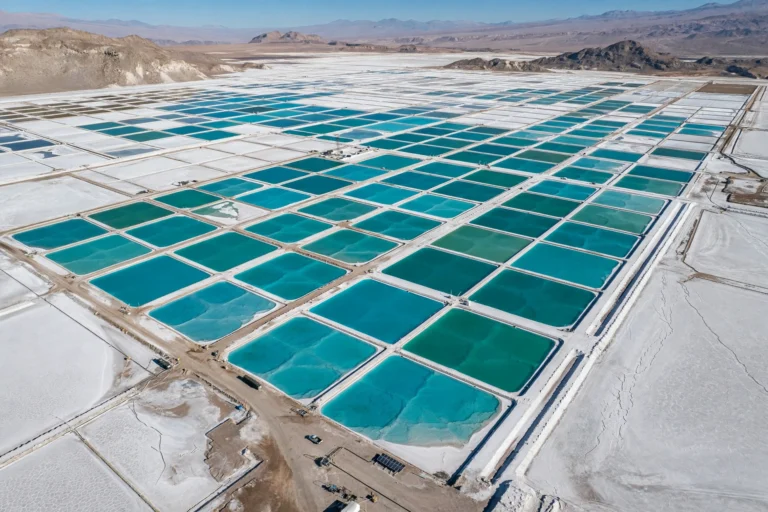
Lithium, cobalt, nickel, graphite — an EV battery is a shopping list of mined materials. Lithium extraction in South America’s salt flats consumes huge amounts of water in places that are already dry. Cobalt mining in the Congo has a well-documented human cost on top of the environmental one. Nickel processing in Indonesia has been linked to deforestation and coal-powered smelting.
None of this is unique to EVs — your phone and laptop use the same metals, and oil extraction is hardly gentle. But the honest accounting is this: switching the world’s car fleet to electric shifts a chunk of the damage from tailpipes to mines, many of them in countries with weak environmental rules. We covered that extraction story in detail in our article on the lithium mining process.
3. Your EV is only as clean as your grid
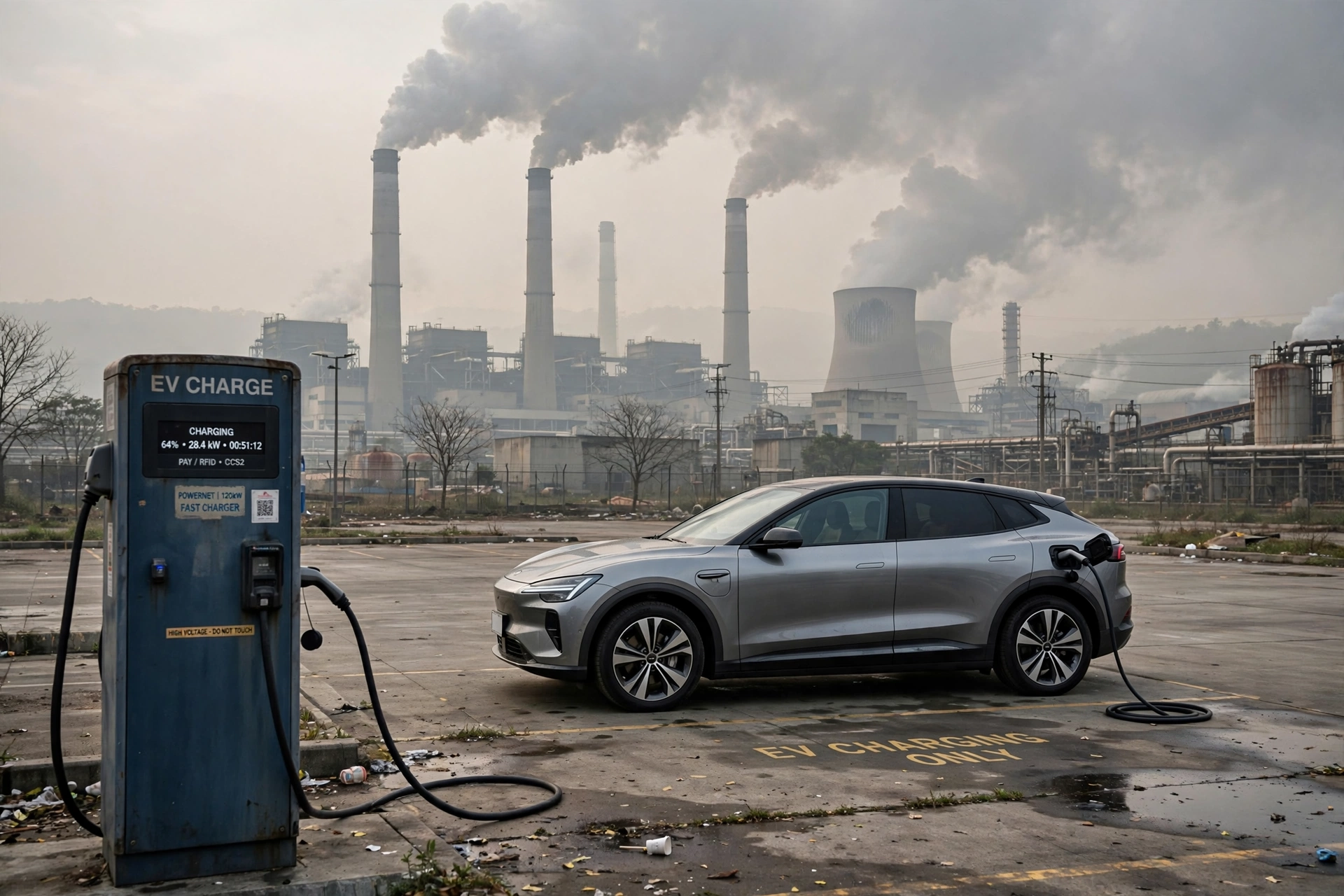
Charge a Hyundai Ioniq 5 in Norway and you’re running on hydro power. Charge the same car in a coal-heavy region and a meaningful slice of your “zero emission” driving is coming straight out of a smokestack a hundred miles away.
The good news is that grids get cleaner every year, so an EV bought today will usually be cleaner in five years than it is now — something no petrol car can claim. The catch is timing. In the worst grids, the payback period stretches out, and if you total the car early or barely drive it, you may never break even against an efficient hybrid.
4. Tyre and road wear particles don’t care about your drivetrain
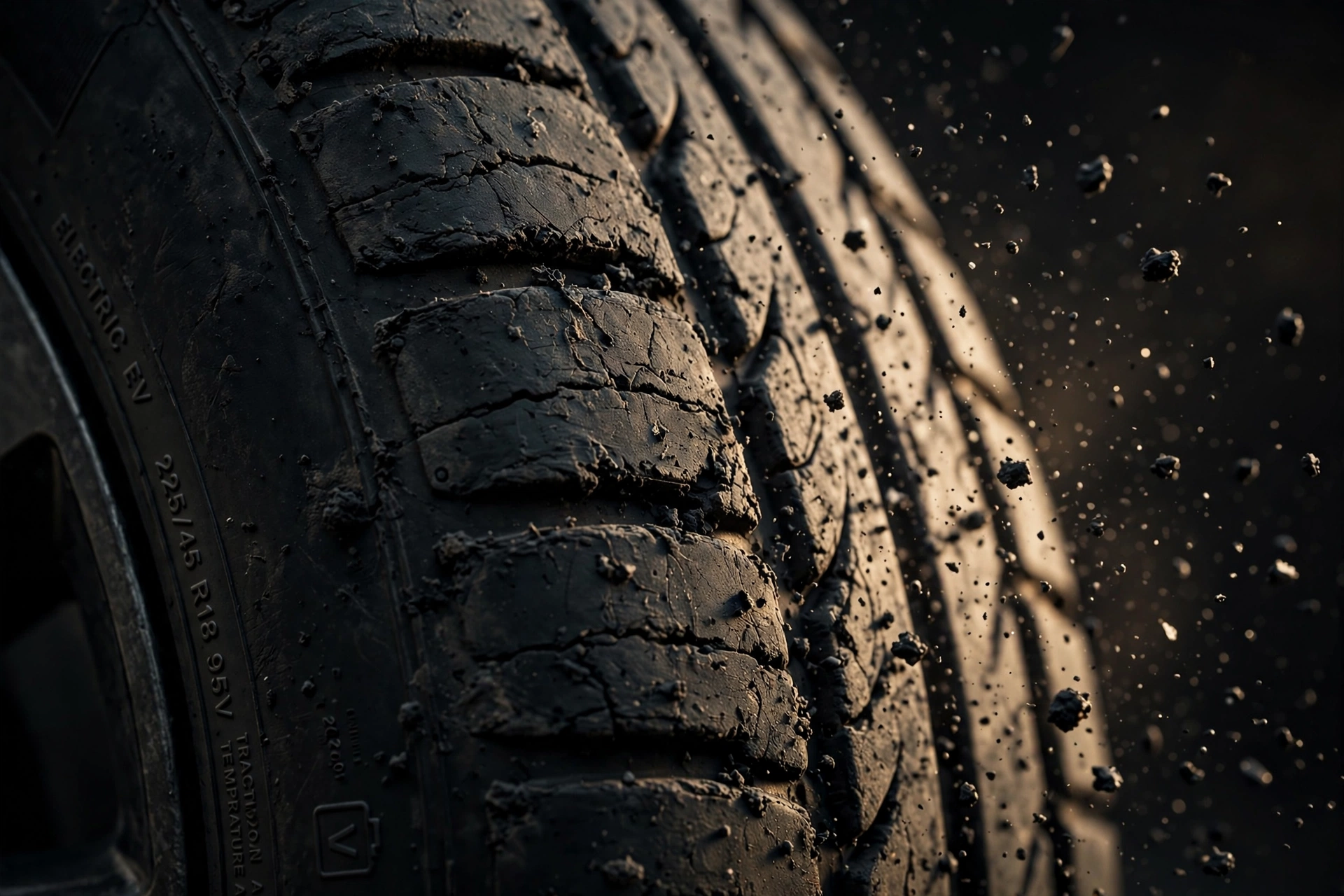
EVs are heavy. A Ford F-150 Lightning weighs well over two tonnes, and instant torque is unkind to rubber. That means more tyre wear, and tyre wear means microplastic particles washing into soil and waterways. The same goes for road surface wear.
To be fair, EVs claw some of this back: regenerative braking means brake pads last far longer, so brake dust drops sharply. But the tyre story is a genuine downside that almost never gets mentioned, and bigger, heavier EVs make it worse.
5. End-of-life batteries are a problem we’re still solving
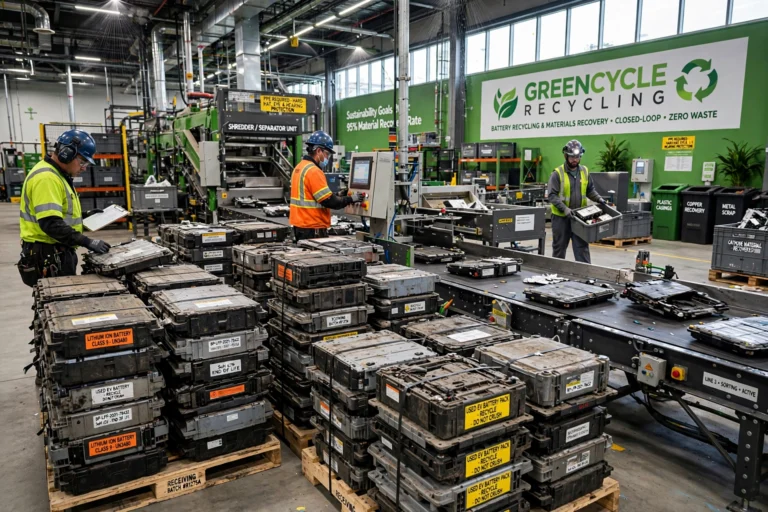
What happens when a pack is done? Right now, recycling capacity is racing to catch up with the number of packs reaching old age. Some get a second life in stationary storage. Some get shredded and refined. Some, in less regulated markets, end up stored or landfilled — and a damaged lithium pack in the wrong place is a fire and contamination risk.
The situation is improving fast, and the metals inside are valuable enough that the economics increasingly favour proper recycling. But “increasingly” is doing a lot of work in that sentence. We dig into this in detail in our guide to what happens to expired EV batteries.
6. Building EVs still burns a lot of fossil fuel
Steel, aluminium, glass, plastics — a car is a car, whatever powers it, and car factories run largely on the energy mix of wherever they sit. Aluminium smelting in particular is brutally energy-intensive. An EV and a petrol car share most of these upstream emissions; the EV then adds the battery on top. This is why the smallest, lightest EV you can live with will almost always beat the giant one on footprint, even if both wear the same green badge.
7. The rebound effect is real
Here’s the sneakiest one. Because driving an EV is cheap per mile, people drive more. Charging at home might cost a third of what petrol did, so the weekend trip gets longer and the second car gets used more. Multiply that across millions of drivers and some of the expected emissions savings quietly evaporate. Cheap, clean miles are a good thing — I use our EV charging cost calculator to plan trips myself — but pretending behaviour doesn’t change is naive.
So, should any of this stop you buying an EV?
For most people, no. The full picture still favours electric, as we laid out in Electric Cars Are Really Better for the Environment — over a normal lifespan, an EV on an average grid emits substantially less than the petrol alternative, and the gap widens as grids clean up and recycling matures.
But the smart way to buy is with your eyes open:
- Pick the smallest battery that honestly covers your driving. Oversizing the pack is the single biggest footprint mistake buyers make.
- If you can charge on a cleaner tariff or at off-peak times, do it — your footprint follows your electricity.
- Keep the car longer. The greenest EV is the one that gets driven for 15 years, not traded in after three.
- Check what the manufacturer actually does about battery recycling — the IEA’s Global EV Outlook tracks how fast this side of the industry is growing up.
Electric cars are not a free pass for the planet. They’re a better tool — a much better one — with real costs attached. Knowing the cons of electric cars doesn’t weaken the case for them. It makes you the kind of buyer who actually gets the benefit.