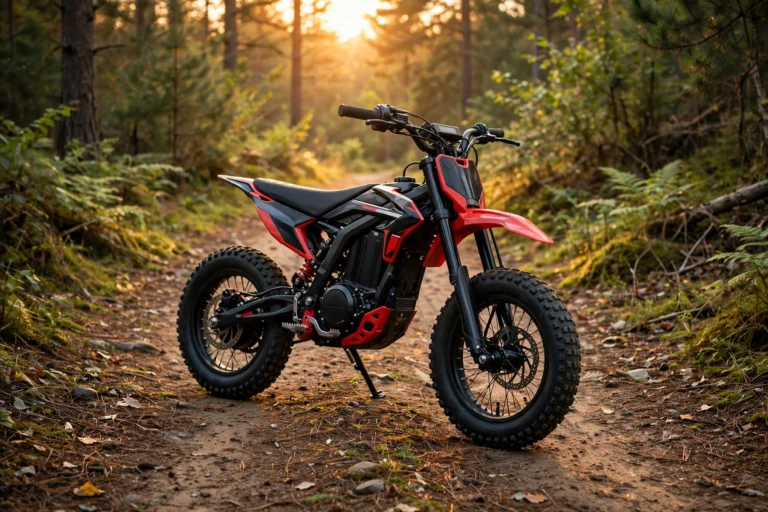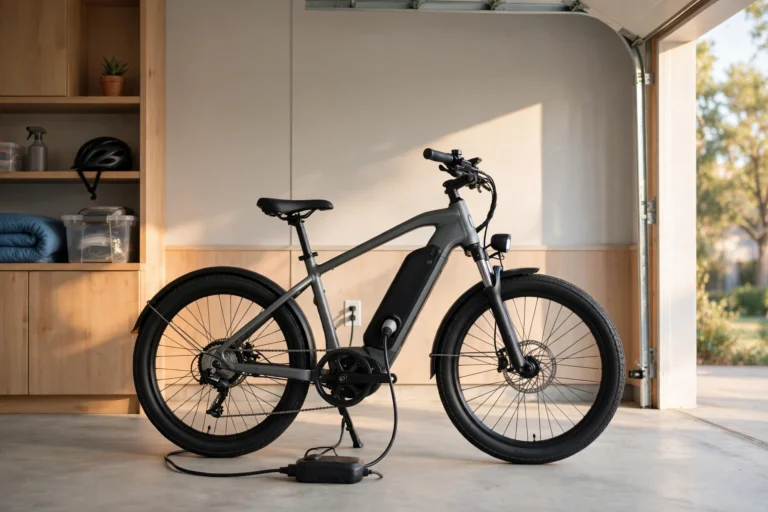

If you have been shopping for a Yozma electric bike, you have probably noticed the specs look almost too good for the price: a 2,600-watt peak mid-drive motor, 40 mph top speed, and a claimed 53 miles of range for about $1,099. That is the kind of number that usually comes with a catch, and with the Yozma electric bike lineup, there are a few — not necessarily dealbreakers, but things you should understand before you click buy. Here are the seven things I would want any buyer to know.
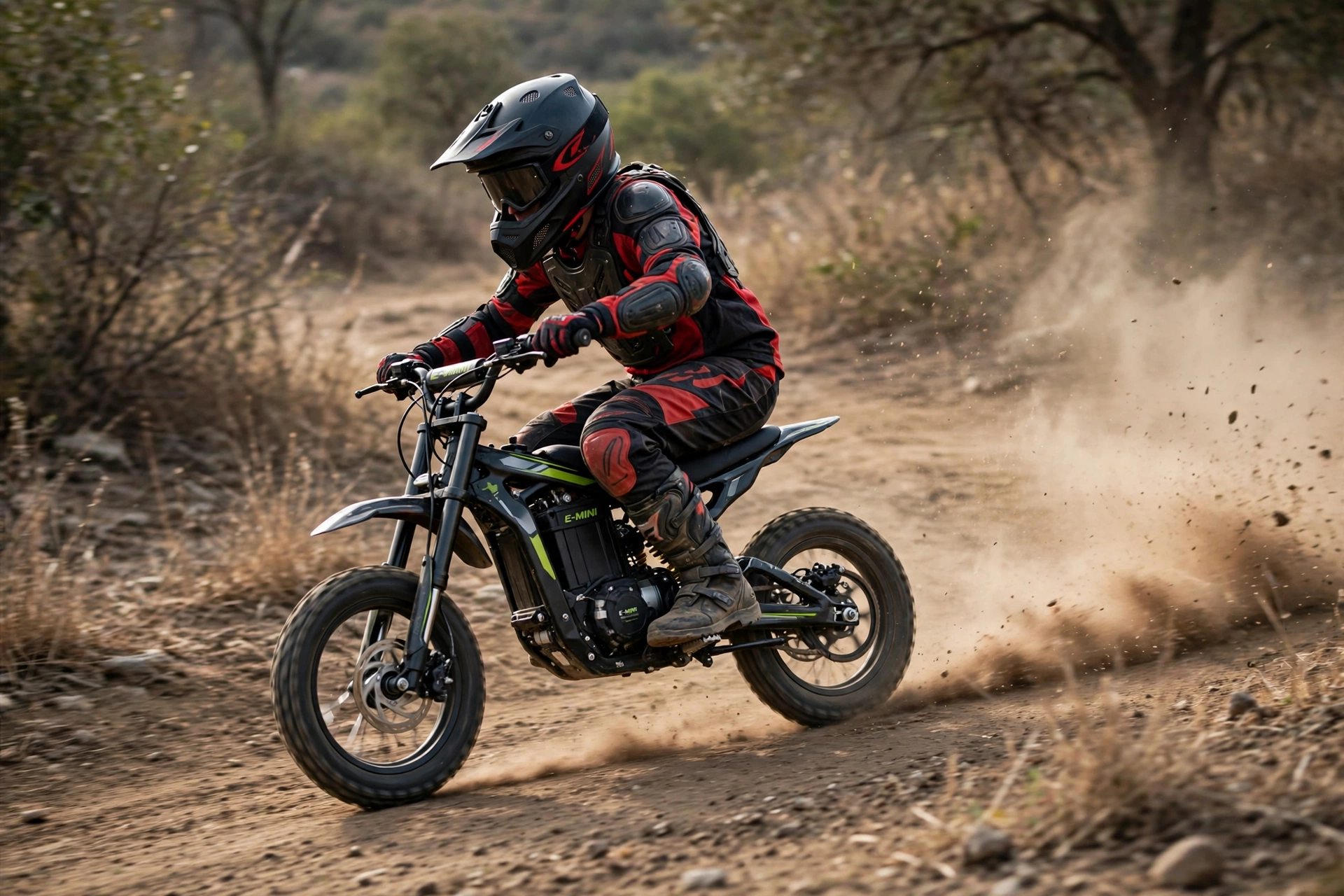
Table of Contents
1. Yozma is an electric dirt bike brand, not a commuter e-bike brand
The first point of confusion is the name. “Electric bike” sounds like something you pedal to work. A Yozma electric bike is really an electric mini dirt bike — what the off-road world calls a mini e-moto. There are no pedals doing meaningful work here, no bike-lane legality, and no folding commuter frame.
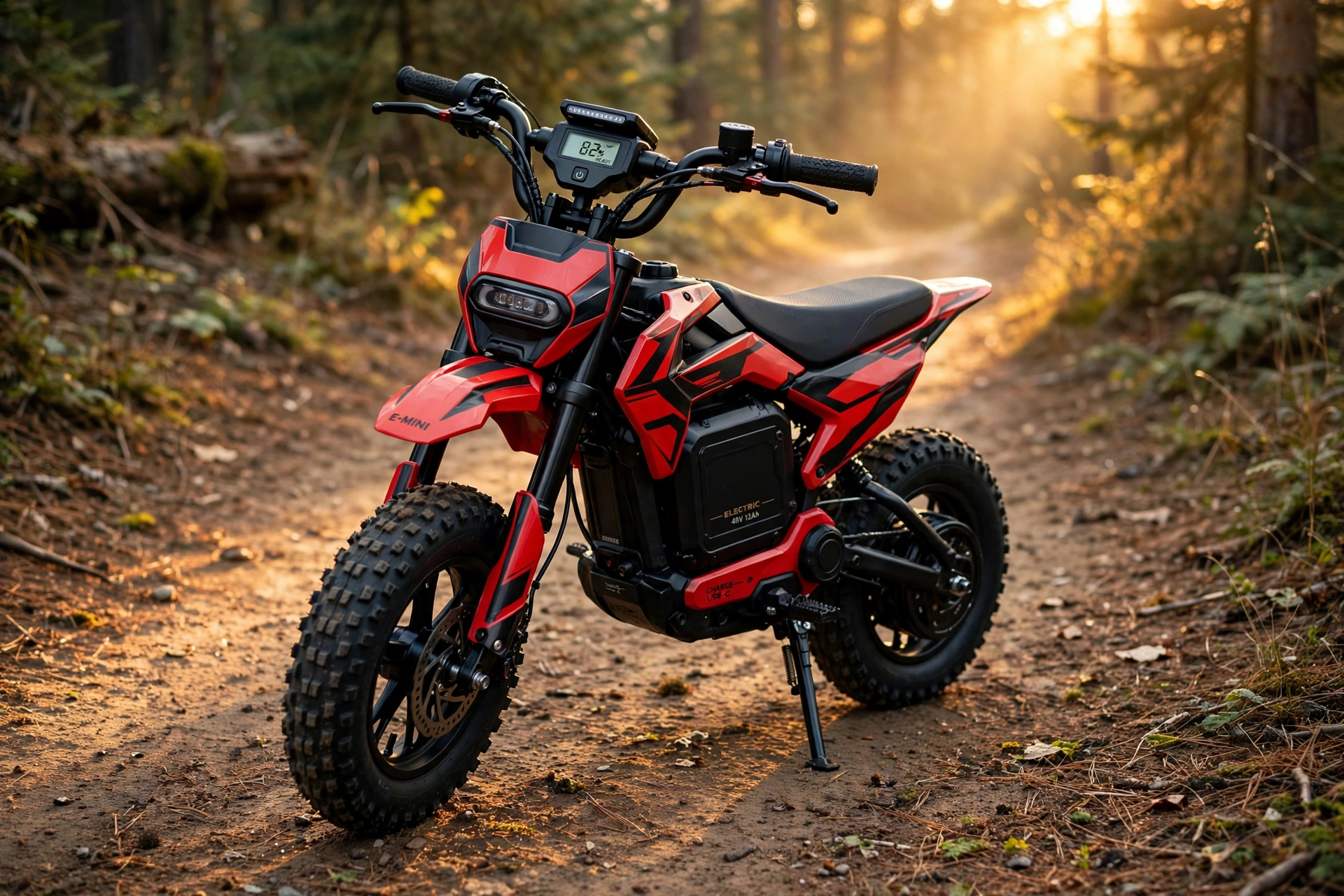
The Yozma IN10, the brand’s best-known model, runs a 1,200-watt rated mid-drive motor that peaks at 2,600 watts. It drives the rear wheel through a chain, rolls on 14-inch front and 12-inch rear fat knobby tires, and weighs 121 pounds. Think of it as a pit bike or a beginner trail machine with an electric powertrain — closer in spirit to a small gas dirt bike than to anything with a throttle-limited pedal-assist system. Yozma is a US-facing brand (one independent review notes a Denver address) selling direct to customers; like most machines in this segment, the bikes are built in China, which is simply how this price class works. What matters is whether the bike in front of you holds up, and the independent hands-on testing so far says the IN10 does a lot right for the money.
2. There are three models — and price climbs with size, not just power
Yozma’s current lineup has three tiers. Picking the right one is mostly about rider size, with power as a bonus:
- IN10 — $1,099 (often on sale; full price $1,599). 2,600W peak mid-drive, 48V 23.4Ah battery, 40 mph top speed, 14″/12″ wheels. Riders 3.94 to 5.9 feet tall, age 14+.
- IN11 — $1,299 early-bird pricing. 4,800W peak mid-drive with 200 Nm of torque, 52V 27Ah battery, up to 45 mph, claimed 55 miles of range. Adds Eco, Sport, Race and Stunt ride modes, a reverse function, and even a wheelie-assist feature.
- IN10 Pro — $1,899 (full price $2,399; recent deals have dropped it to $1,699). 5,000–5,500W peak, 220 Nm, 60V 27Ah battery, 50 mph claimed top speed, 55–60 miles of range, larger 17″/14″ wheels, 330-pound payload. Fits riders 4.7 to 6.3 feet tall.
Prices move constantly — one deal tracker in October 2026 showed the IN10 at $999 and the Pro at $1,699 with a coupon code — so check the current listing before anchoring on any number.
3. The specs that matter most (and which claims to discount)
Mid-drive matters here. A mid-drive motor sends power through the chain and lets the bike use its gearing the way a gas dirt bike does, which is why a 2,600-watt peak mid-drive feels punchier than the same wattage in a hub motor. Yozma claims 146 Nm of torque for the IN10 and 220 Nm for the Pro, with a 30-degree climbing ability. Those torque figures are seller claims, not independent dyno results, but the hands-on reviewers who have actually ridden these bikes report strong low-end pull.
The range claim needs a bigger asterisk. Yozma advertises up to 53 miles for the IN10. The brand’s own FAQ puts real-world range at 35–53 miles depending on rider weight, terrain, speed, and temperature — and that lower end is the honest number for an adult riding hard off-road. A 170-pound rider in third mode (40 mph) will see the short end of that band; a teenager in eco mode on flat ground will see the long end. This is normal for the segment. Every battery behaves the same way, which is why it pays to understand how EV batteries actually deliver range before trusting any advertised maximum.
Charging is slow by EV standards: 5–6 hours for the IN10 on the included 48V/5A charger, 6–7 hours for the Pro. That is fine for overnight charging, less fine if you expected to top up between rides.
4. Sizing is the dealbreaker for many adults
This is the point where most would-be buyers should slow down. The standard IN10 has a 28-inch seat height and 14/12-inch wheels — it is built for riders roughly 3.94 to 5.9 feet tall, and at 121 pounds with a 265-pound maximum load it is a compact machine. If you are a six-foot adult, you will look and feel oversized on it.
That is exactly why the IN10 Pro exists: bigger wheels (17/14), taller stance, 143 pounds, 330-pound payload, and a height window of 4.7 to 6.3 feet. If you are an adult who wants full-size dirt bike ergonomics, the standard IN10 is probably not your bike, and the Pro only gets you to the lower end of full-size. Taller or heavier riders who need a genuinely full-size frame should be looking at full-size electric dirt bikes (and their much higher prices) rather than trying to make a mini e-moto do something it was never designed for.
5. It is strictly off-road — and the law means it
This is the single most important thing to know about any Yozma electric bike: it is sold for off-road use only. It is not street legal, it has no registration paperwork, and at 40–50 mph it blows past every legal limit for electric bicycles in all 50 states. Riding one on public roads, bike lanes, or sidewalks without registration, insurance, and a motorcycle license is illegal in most places — and you cannot register a bike that was never certified for the road.
Practically, that means you need legal places to ride: private land, designated OHV trails, or moto tracks where motorized off-road vehicles are allowed. Before buying, check your state’s off-road vehicle rules, helmet requirements, and age minimums (Yozma says 14 and up for the IN10, 16 and up for the Pro). A buyer in a city apartment with no trailer and no nearby trails owns a $1,099 garage decoration. Also worth knowing: the bike is IPX6 water-resistant (rain and splashes), but Yozma’s own safety guidance says not to ride in heavy rain or extreme weather — electric drivetrains still have limits.
6. The real cost of owning one is refreshingly low
Here is where electric drivetrains genuinely shine. The IN10’s battery is 48 volts × 23.4 amp-hours, about 1.12 kWh of capacity. A full charge at an average US residential electricity rate (~$0.16/kWh) costs roughly $0.18. Even riding daily, your “fuel” bill is measured in cents, not dollars. If you want the bigger picture on what electricity really costs for EV ownership, our total cost of ownership calculator walks through the same math for larger vehicles.
Maintenance is similarly simple: no oil changes, no carburetor cleanings, no spark plugs. Chain, tires, brake pads, and eventually a battery. A spare battery for the IN10 Pro runs about $649, which is worth factoring into long-term costs. Speaking of batteries — lithium packs wear out with age and cycles no matter what vehicle they are in, so it is worth reading up on what happens when EV batteries expire so you are not surprised five years from now.
7. Who should buy one — and who should walk away
Buy if: you are a teen (14+) riding with adult supervision, a smaller adult (under ~5’9″) wanting a compact trail machine, or someone with private land or legal trail access who wants cheap electric off-road fun. The IN10 is also a sensible entry point for beginners who want real dirt-bike handling without gas-bike maintenance or the $3,000+ cost of a full-size electric dirt bike.
Skip it if: you need a commuter (this is not one), you have no legal place to ride off-road, you are tall or heavy enough to need a full-size frame, or you expected street-legal transportation. Also skip it if you need a bike today and cannot wait out the 5–6 hour charge time between sessions — one battery, one charge cycle, is all you get unless you buy a spare.
The strongest alternative in the lineup itself: the IN10 Pro at $1,699–$1,899 buys meaningfully more bike — bigger frame, more power, more range — and is the better pick for full-size adults. Outside Yozma, full-size electric dirt bikes cost substantially more, and cheap gas pit bikes cost less up front but punish you with maintenance. Yozma sits in the middle: electric running costs with pit-bike ergonomics.
FAQ
Is the Yozma electric bike street legal?
No. All Yozma models are sold strictly for off-road use, on private property or designated trails. They cannot be ridden legally on public roads, bike lanes, or sidewalks in most US states.
How fast does the Yozma IN10 go?
Up to 40 mph in its third ride mode. The first mode is limited to about 18 mph and the second to 24 mph, which makes it manageable for beginners and younger riders.
How long does it take to charge a Yozma electric bike?
The IN10 charges in 5–6 hours with the included 48V/5A charger; the IN10 Pro takes 6–7 hours with its 60V/5A charger. Both have removable batteries, so you can charge off the bike.
How much does a Yozma electric bike cost?
The IN10 lists at $1,099 (often discounted below $1,000), the IN11 launched at $1,299 early-bird pricing, and the IN10 Pro lists at $1,899 ($2,399 full price). Watch for coupon deals, which have been frequent in 2026.
The bottom line
The Yozma electric bike is exactly what it claims to be: a cheap, genuinely fun electric mini dirt bike with a real mid-drive motor, hydraulic brakes, and a price that undercuts most of the segment. The 53-mile range claim is a best-case number, the standard IN10 is too small for big adults, and the off-road-only restriction is absolute. If you fit the size window, have somewhere legal to ride, and go in with realistic range expectations, the IN10 is one of the better values in electric off-road right now. If you do not, the honest move is to keep shopping — there are plenty of electric rides at the US Department of Energy’s EV hub to research before you spend a dime.