Last updated: October 27, 2026
Speed moved this month. Heybike’s Villain, a mini e-moto that testers have clocked at 44.3 mph, is now shipping at $1,299. Lectric cut the XPeak 2.0 to $1,299 in its early-October sale. Velotric’s own store dropped the Discover 2 to $1,499. The fast electric cycle market has split cleanly in two: legal 28 mph commuters on one side, 35–45 mph machines that no longer count as bicycles on the other. This guide tracks both sides, tested numbers first.
The legal ground shifted too. New Jersey’s rewritten e-bike law took effect in July 2026, and it now asks for registration and a license across the board. It is the strictest swing any state has taken. Most states still run the familiar three-class system, and the federal template has not changed. But the direction of travel is set. The faster the bike, the more paperwork follows it.
The line itself sits where it always has. Pedal assist tops out at 28 mph on a Class 3 bicycle. A throttle tops out at 20 mph. Anything quicker, whether it leaves the factory that way or gets unlocked in a settings menu, leaves bicycle law behind. It lands in moped or motorcycle territory: registration, insurance, a license plate, and a ban from most bike paths and trails. Our Class 1 e-bike guide lays out the class system in full, and it is worth ten minutes before any money moves.
How this guide works: every top speed below is either GPS-tested by a named tester or labelled as a maker’s claim. Range at full pace gets the same treatment, because claimed range is measured slowly and real range at speed is a different number. Prices were checked on October 27, 2026, against brand stores and dealer listings, and sale prices are dated because they expire. RiderGuide’s GPS-verified fastest electric bikes roundup anchors the tested figures, and the same research method sits behind every pick.
What a fast electric cycle means in 2026: three speed tiers
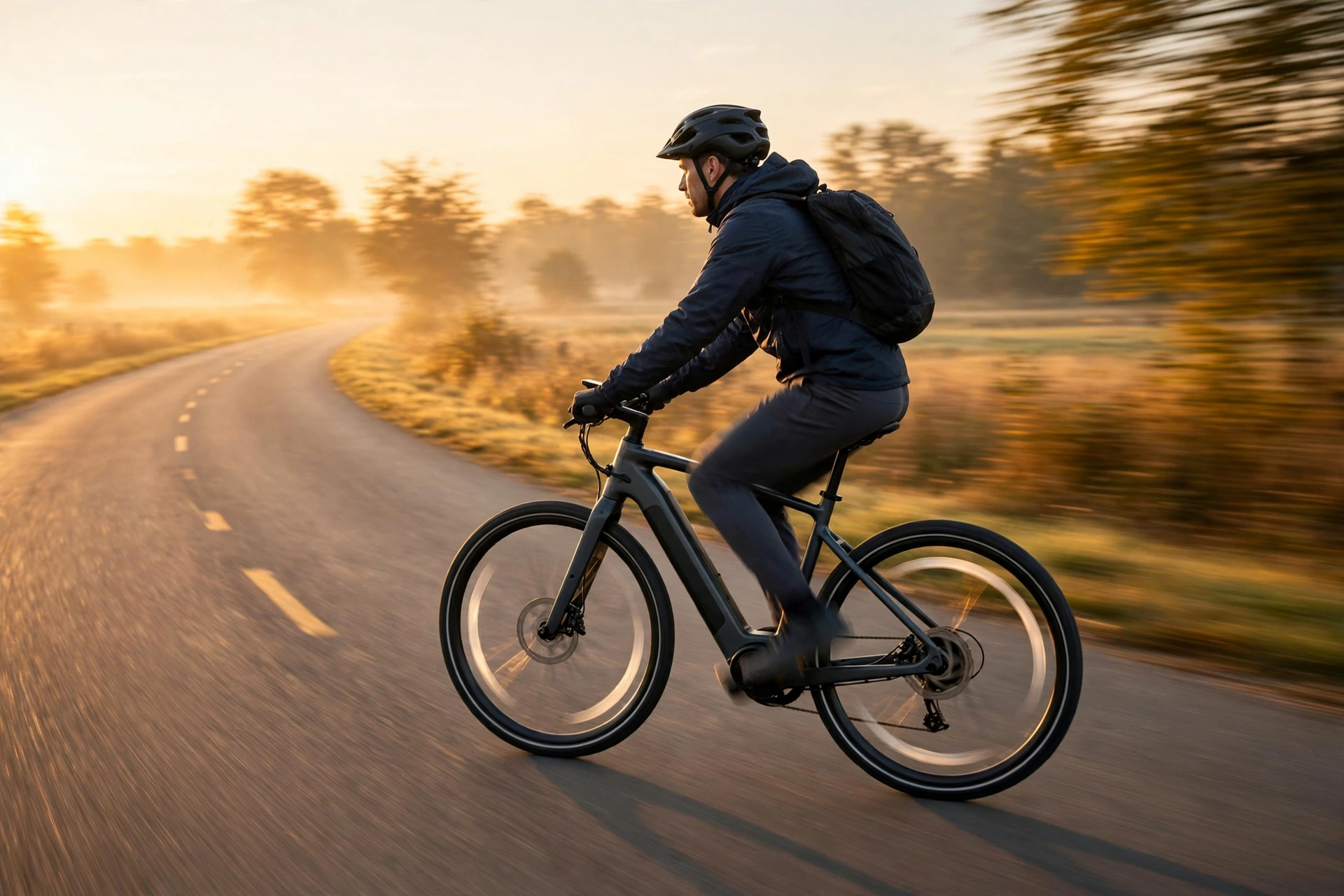
Tier one is the legal fast lane. Class 3 pedal assist to 28 mph, a 750-watt ceiling, working pedals, and full access to roads and most paths. Every commuter pick in this guide lives here. So does the speed most riders actually use, because 28 mph covers city traffic flow and still feels quick on an open stretch.
Tier two runs from 35 to 45 mph. A fast electric cycle in this tier ships locked to a legal class, or as off-road-only, and the extra speed waits behind a menu setting, an app mode or a second battery. Wired’s Freedom is the template: Class 2 paperwork, 40 mph hardware. These are the machines driving the current arguments about path access and licensing, and the ones New Jersey just regulated hardest.
Tier three is the fringe, and it is shrinking to specialist money. Wired’s own 72V Scout claims 53 mph from its maker. Delfast’s Top 3.0i claims about 50 mph and up to 200 miles of range at $6,599. Those are claims, not test results, and at those speeds the vehicle is a light motorcycle whatever the listing calls it. The value action in October 2026 is not up there. It sits in tiers one and two, where prices fell this month.
Legal and quick: the fast electric cycle picks that stay Class 3
Velotric Discover 2 — the commuter that tested strongest
The Discover 2 is the grown-up end of legal fast. A 750W rear hub motor (1,100W peak, 75 Nm) drives it to the 28 mph Class 3 ceiling, and the class is switchable in the display: Class 1, 2 or 3 from one menu. Velotric’s own Discover 2 product page lists the hardware that matters at speed: hydraulic brakes, turn signals, a 130-lux headlight and UL 2849 certification for the whole electrical system.
The tested number is the story. BikeRide’s range test returned 30.3 miles at maximum assist with a 17.5 mph average speed, and 40.6 miles at a mid assist level. That is real range at a real pace from a 705.6Wh battery, not a brochure figure earned at walking speed. The claim is 75 miles. Plan on the tested numbers and the claim becomes a pleasant surprise instead of a planning error.
Pricing moved in the buyer’s favour this month. The Discover 2 lists at $1,899. Velotric’s own store showed $1,499 when checked on October 27, 2026. At that price it undercuts most torque-sensor commuters with weaker test results.
Our score: 8.2/10 — Speed: 6/10 · Range at speed: 8/10 · Value: 9/10
Lectric XPeak 2.0 — the Class 3 bargain of the month
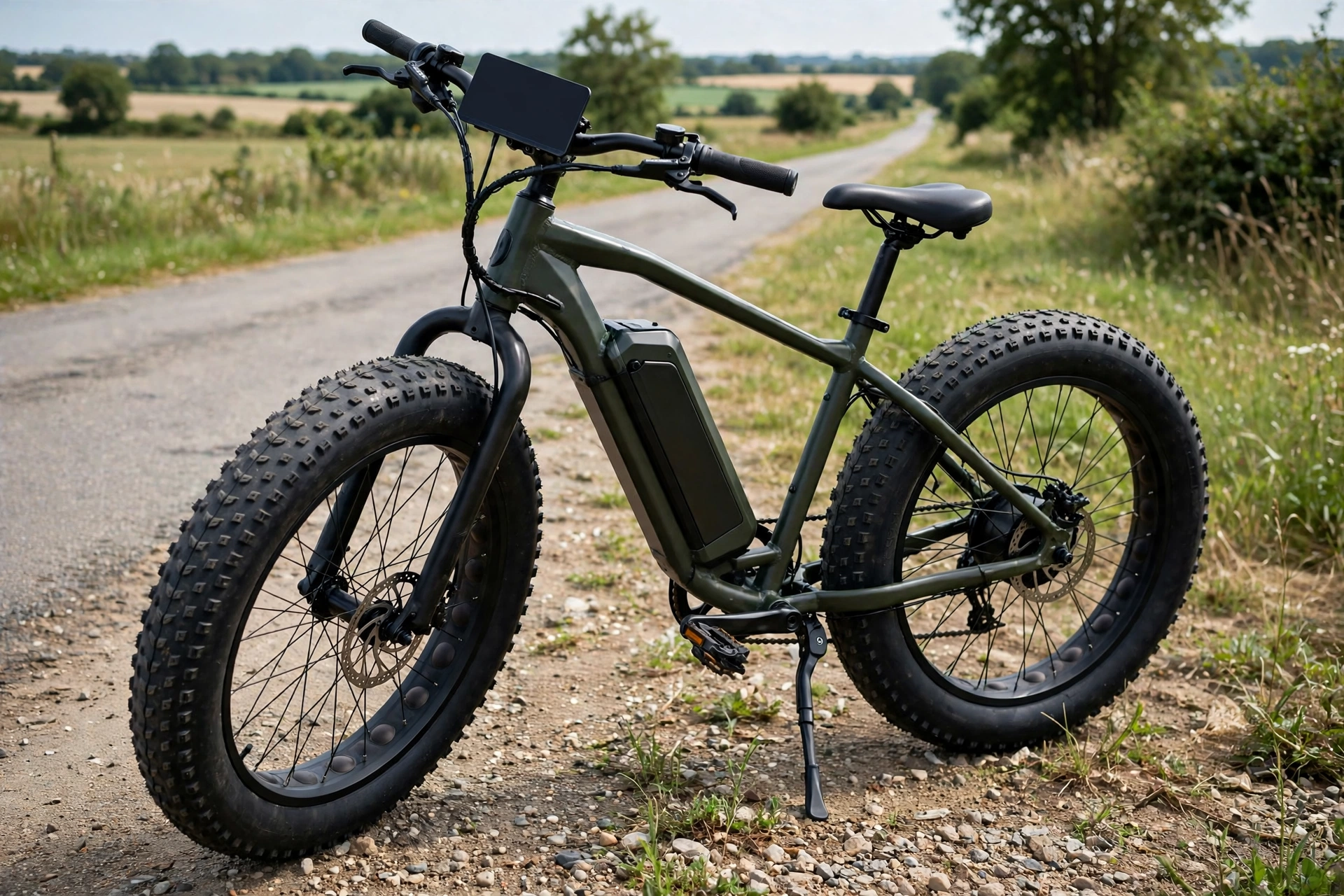
The XPeak 2.0 is the fat-tire route to legal speed. A 750W hub motor with 1,310W peak output and a proper torque sensor takes it to 28 mph, on 26×4-inch tires that shrug at broken pavement and gravel shoulders. The 720Wh battery carries a claimed 60 miles. Ridden at Class 3 pace, expect roughly 30–35 miles (est.), based on typical fat-tire consumption of 20–24 Wh per mile at full assist.
Timing is the headline. Lectric lists the XPeak 2.0 at $1,499, and its early-October sale cut it to $1,299 with bundled extras. That sale has ended, but Lectric’s pattern is consistent: the price comes back down at every major sale window. Black Friday is the next one. A 203mm front brake rotor and UL-certified electrics make it the easiest recommendation in this tier for riders who can wait for the dip, and a fair one at list for riders who cannot.
Our score: 8.4/10 — Speed: 6/10 · Range at speed: 6/10 · Value: 9/10
The fast electric cycle tier past the line: 35 to 45 mph
Read this section with one fact held firm. None of these machines is a bicycle in law once it runs at full speed. The same rule covers the Sur-Ron class in our e-bike dirt guide: sold for off-road use, not street legal in stock form. Ride tier two on private land, at off-road parks that allow it, or not at all. Unlocking one for the street trades away insurance cover, path access and the legal high ground in any crash. That trade is not worth 12 mph.
Wired Freedom — 40 mph with the battery to back it up
The Freedom is the benchmark tier-two machine. It ships as a Class 2 bike at 20 mph, with a programmable display that unlocks the full system: a 3,200W peak geared hub motor fed by two 60V batteries totalling 2,100Wh. That is roughly triple the battery of a Class 3 commuter. The whole bike carries UL 2849 certification and the batteries UL 2271, which matters at this power level.
Tested speed is genuinely fast. The Bike Cave’s GPS run recorded 39 mph unlocked, and another tester logged 43–44 mph on GPS. Wired claims up to 90 miles of range, a figure earned at gentle assist. Hold 35 mph or more and consumption climbs hard; from 2,100Wh, expect about 30–38 miles at full pace (est.), based on 55–70 Wh per mile for a fat-tire bike at those speeds. The brakes are specced for the job: four-piston hydraulics on 203mm rotors, with full suspension at both ends. At $1,999, checked on October 27, 2026, it is the cheapest credible route past 40 mph. It is also 110 lb, which rules out stairs, racks and small cars.
Our score: 8.7/10 — Speed: 9/10 · Range at speed: 8/10 · Value: 9/10
Heybike Villain — the fastest tested number in this guide
The Villain is the month’s disruptor, and it drops the bicycle pretence entirely. There are no pedals. It is a compact electric dirt bike: a 4,160W peak mid-drive motor with 190 Nm of torque, a 52V 26Ah battery (1,352Wh), and three modes capped at 20, 38 and 45 mph. Heybike sells it as the first machine in a new off-road Sports line, priced at $1,299–$1,399 depending on the seller.
The claim survives testing, which is rare at this price. RiderGuide measured 44.3 mph against the claimed 45, the fastest verified figure in their 2026 roundup. The range claim does not survive as well: 50 miles claimed, about 20 miles in RiderGuide’s mixed-terrain test. That gap is the physics of speed, not a defect. At $1,299 it is the cheapest verified 40-plus mph on sale, and the correct use is trails, tracks and private land, full stop.
Our score: 7.9/10 — Speed: 10/10 · Range at speed: 4/10 · Value: 10/10
Segway Xyber — big brand, big premium
The Xyber is the polished end of tier two. Segway rates it at 35 mph with 3,000W peak from a single 1,440Wh battery, and 0–20 mph in 2.7 seconds. A second battery doubles capacity, lifts peak output to 6,000W, and pushes the claimed range to 112 miles, a figure Segway’s fine print ties to a steady 20 mph. At 35 mph, plan on roughly half that per battery (est.). Segway sells it as off-road-only, with app-controlled class modes for limited running.
The problem is arithmetic. Segway’s store listed the Xyber at $2,299.99 in October 2026 checks, down from a $2,999 launch, and the second battery adds roughly $800–$1,100 depending on the seller (est.). A dual-battery Xyber can cost double a Wired Freedom while going slower. The smart locks, GPS and Find My integration are genuinely good. They do not close a gap that wide. Buy it for the finish and the dealer network, not for the speed sheet.
Our score: 6.8/10 — Speed: 8/10 · Range at speed: 7/10 · Value: 5/10
One ownership note applies to the whole tier. These machines weigh 110–140 lb, charge for most of a working day on a single charger, and eat tires and brake pads at roughly double the Class 3 rate (est.), because every stop starts from a higher speed. None of that is a reason to walk away. All of it belongs in the budget before the purchase, not after the first parts order.
Fast electric cycle math: what the speed actually buys
Top speed is a headline. Average speed is the benefit. Run the commute numbers on a 9-mile trip, traffic lights included. A strong Class 3 bike averages about 22 mph door to door: 9 ÷ 22 = 0.41 hours, so 24.5 minutes. A Class 2 bike averages about 15 mph: 9 ÷ 15 = 0.6 hours, so 36 minutes. The gap is 11.5 minutes each way, 23 minutes a day, 115 minutes a week. Across a 48-week working year, the faster legal bike hands back roughly 92 hours. That is the real product tier one sells, and it arrives with zero legal exposure.
Now price the speed itself, using tested or class-verified top speeds and the prices checked on October 27, 2026. Villain: $1,299 ÷ 44.3 mph = $29 per mph. Freedom: $1,999 ÷ 43 mph = about $46 per mph. XPeak 2.0 at its October sale price: $1,299 ÷ 28 mph = about $46 per mph. Discover 2 at its store price: $1,499 ÷ 28 mph = about $54 per mph. Xyber: $2,299.99 ÷ 35 mph = about $66 per mph. The pattern is plain. Raw speed is cheapest off-road, reasonable unlocked, and dearest with a big brand badge on it.
One more computation, and it is the safety one. Kinetic energy rises with the square of speed, so the jump from legal to unlocked is bigger than it looks. Take the ratio: 40 ÷ 28 = 1.43, and 1.43 × 1.43 = 2.04. A bike travelling at 40 mph carries just over twice the energy of the same bike at 28 mph, and its brakes have to shed all of it, every stop. That is why the credible tier-two machines wear 203mm rotors and four-piston calipers, and why the no-name listings with bicycle-grade brakes are the most dangerous products in this market.
Buying timing: when a fast electric cycle costs less
October is the start of the cheap season, and this month proved it. Lectric’s $1,299 XPeak 2.0 sale and Velotric’s $1,499 store price both landed in the same fortnight. The pattern repeats every year: brands clear current model-year stock from October through Black Friday, then quietly restore list prices in January when indoor-trainer season makes demand somebody else’s problem.
Three timing rules cover most of the savings. Buy Class 3 commuters during the autumn sale windows, when $200–$400 cuts are routine. Buy tier-two machines at model changeover, because an outgoing Freedom or Villain spec is usually discounted harder than it is outdated. And ignore countdown timers on brand sites; the same prices return at the next window, which is rarely more than six weeks away. Before any purchase, run the running costs, insurance and accessory spend through our EV total cost of ownership tool so the sale price is judged against the whole bill.
One caution on timing. Law is moving faster than product cycles right now. A tier-two purchase made this autumn assumes off-road access that some cities are actively restricting. A Class 3 commuter carries no such risk. That asymmetry should steer the order of buying: legal bike first, fast toy second, and only with land or a track to run it on.
Fast electric cycle FAQ
How fast can a fast electric cycle legally go on public roads?
In most US states, 28 mph on pedal assist is the ceiling for a bicycle, under the Class 3 definition, with throttle assistance capped at 20 mph. A fast electric cycle ridden faster than that on a public road is, in law, a motor vehicle in most jurisdictions. New Jersey now goes further and requires registration and a license for e-bikes generally. Check your state before assuming the three-class template applies.
Is a 40 mph e-bike street legal if it has pedals?
No. Pedals do not rescue it. Once a bike exceeds the class limits on speed or the 750W motor ceiling, it leaves the bicycle category regardless of what is bolted to the cranks. Street use then means moped or motorcycle rules: title, registration, insurance, a license and road-legal lighting. Some riders register converted machines in lenient states. Most cannot, because no title or VIN exists for the frame.
How far will a fast e-bike really travel at full speed?
Far less than the listing says. Claimed range is measured at low assist and modest speeds. At full pace, drag rises steeply and consumption roughly doubles or triples. The tested anchors in this guide: about 20 miles of mixed riding for the Villain against a 50-mile claim, 30.3 miles at maximum assist for the Discover 2 against a 75-mile claim. Budget with the tested figure, then treat anything above it as a bonus.
Do the 35–45 mph bikes need a license or registration?
For road use, generally yes, because they are motor vehicles once they leave the e-bike classes. For off-road use on private land, generally no, though off-road parks and trail systems set their own rules and many ban throttle-only machines outright. The Villain, with no pedals at all, sits outside bicycle rules in every state. The Freedom and Xyber stay legal only while they run inside their locked class settings on the road.
When is the best time to buy a fast e-bike in 2026?
Now through Black Friday is the strongest window of the year. October already produced a $1,299 XPeak 2.0 and a $1,499 Discover 2 at brand stores, and clearance pressure builds as the model year turns. If a target model misses the autumn sales, the next reliable dip is the spring launch season, when outgoing stock is cleared to make room for new model years.
The bottom line for October 2026
Buy the Discover 2 or the XPeak 2.0 if the bike has a job to do; both are fast where the law allows and cheap this month. Buy the Freedom if there is private land in your life and 40 mph is the point of the purchase. Skip the Xyber at dual-battery money. And treat every no-name 50 mph listing as what it is: a frame and brake package that was never budgeted for the speed on its sticker. The fast electric cycle market finally has honest options at honest prices. The legal ones are the bargains.